
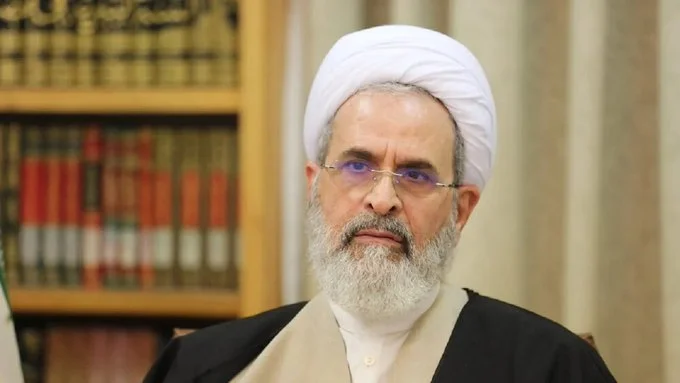

Iran moved quickly on Sunday to fill the power vacuum left by the killing of Supreme Leader Ayatollah Ali Khamenei. Authorities appointed Ayatollah Alireza Arafi to the country’s interim leadership council. This three-member body now guides the nation until a permanent successor takes over.
The Expediency Discernment Council elected Arafi as its clerical representative. Spokesman Mohsen Dehnavi announced the decision in a post on X. Therefore, the council ensures smooth continuity during this critical transition.
Who Makes Up the Interim Council?
The temporary leadership includes three key figures. First, President Masoud Pezeshkian represents the executive branch. Second, Chief Justice Gholamhossein Mohseni Ejei handles judicial matters. Third, Ayatollah Alireza Arafi joins as the jurist member from the Guardian Council. Together, they carry out the supreme leader’s duties under Iran’s constitution.
Arafi, a prominent hardline cleric, serves on the Guardian Council and leads Iran’s seminaries. His selection highlights the regime’s focus on maintaining ideological stability. Moreover, he brings deep experience in religious and political oversight.
Next Steps in the Succession Process
The Assembly of Experts will now step in soon. This 88-member body holds the responsibility to elect a new permanent supreme leader. Officials stress the need to act “as soon as possible” amid ongoing regional tensions.
This development follows the US-Israeli strikes that claimed Khamenei’s life in Tehran. Iran continues to mourn while facing retaliatory actions and internal challenges. The interim council aims to provide steady guidance during these uncertain times.
As the situation evolves, many watch closely for signs of stability or further shifts in power. Iran’s leadership transition marks a rare moment since the 1979 Islamic Revolution.

