

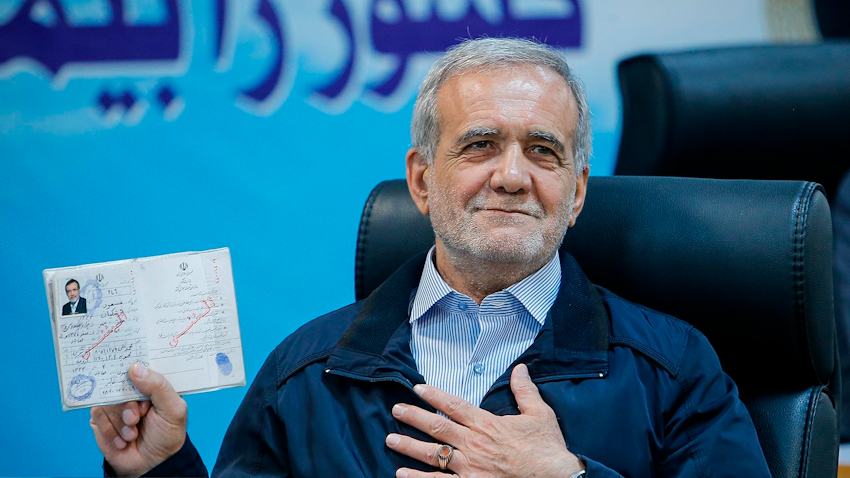

Iran’s president expressed regret over recent missile strikes. In his prerecorded speech aired on state television, President Masoud Pezeshkian addressed incidents in Bahrain, Saudi Arabia, and the UAE. He said the attacks resulted from miscommunication within the military and assured that Iran would stop such attacks unless it faces a direct security threat.
A Clear Plan to Avoid Future Attacks
Pezeshkian explained that Iran’s temporary leadership council reviewed the events and found that communication failures caused the strikes. The council decided that Iran will no longer launch missiles at neighbouring countries unless it comes under attack from them.
“This decision ensures we act only in self-defense,” Pezeshkian added. He emphasized that the country seeks stability and clarity. This marks a shift in Tehran’s public approach. Regional observers noted that the move may help calm fears after weeks of rising tensions.
Rejecting Unconditional Surrender
In a prerecorded address broadcast on state television on Saturday, Pezeshkian firmly rejected U.S. demands for Tehran’s unconditional surrender. “The demand by the United States for an unconditional surrender is a dream they should take to their grave,” he stated, highlighting Iran’s agenda.
Analysts and regional observers note that implementing this new order will not be easy. Centralized control over Iran’s military is difficult, especially after recent assassinations created gaps in the chain of command. This leaves a real risk that unauthorized actions or mix-ups could happen again. That said, many diplomats in the region responded positively, though cautiously. They see the president’s apology and clear commitment as a step toward calming tensions. Gulf countries, which suffered the most from unintended fallout amid the larger conflict involving the United States and Israel, are watching closely.
