


The financial situations of countries like Pakistan and Egypt will come under scrutiny during the upcoming annual meetings of the World Bank and the International Monetary Fund (IMF) in Marrakech next week.
These meetings will bring together finance ministers and central bankers from 190 countries for a week of discussions on global economic risks, taking place not far from the location of a devastating earthquake in Morocco that claimed 2,900 lives.
Emerging economies, still grappling with the aftermath of extreme weather events and climate change impacts, find themselves facing challenges from multiple directions as uncertainties loom over US fiscal policies and China’s economic slowdown. Just a day ago, IMF Chief Kristalina Georgieva highlighted that successive shocks since 2020 had led to a reduction of $3.7 trillion in global output, with current growth rates remaining significantly below pre-pandemic levels.
Georgieva emphasized that the top priority was winning the battle against inflation, which would necessitate keeping interest rates elevated for an extended period. Even the IMF, as countries increasingly seek financial support, is feeling the strain. Having provided approximately $320 billion in financing to 96 countries since the pandemic’s onset, the IMF’s chief urged member nations to enhance their lending capacity by increasing quota resources.
Countries facing Default risk
According to JPMorgan’s September investor survey, Argentina, Pakistan, and Kenya are currently at the top of the list of nations at risk of sovereign debt default. While Argentina faces negative reserves, Pakistan has received a standby agreement from the IMF, serving as a financial lifeline until the next general election. Fitch reports that Pakistan, along with two other countries, is expected to allocate 40 percent or more of its revenues to debt interest payments next year.
Simultaneously, higher interest rates have made it “prohibitively expensive” for single-B sovereigns to access international bond markets since early 2022, as noted by Gregory Smith, a fund manager at M&G Investments in London.
Egypt is the country least likely to default, according to the JPMorgan survey. Nonetheless, international financial institutions and multilateral development banks are facing substantial pressure to increase lending to poorer nations to support development efforts and address the challenges of climate change.
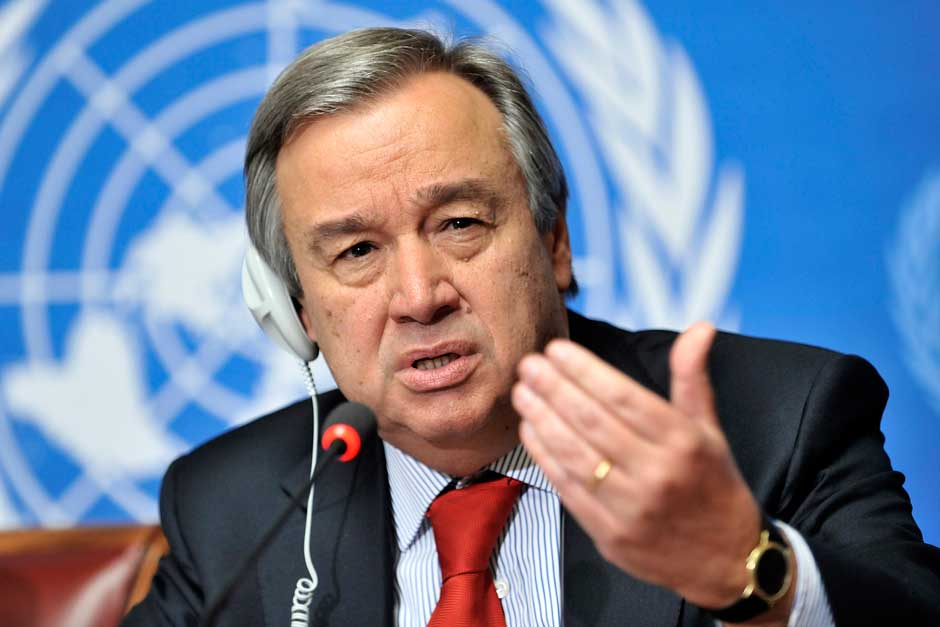
UN Secretary-General Antonio Guterres has been a vocal critic, repeatedly calling for “sweeping reforms” of the “biased financial systems” to ensure that low-income countries vulnerable to climate-related disasters receive adequate funding from wealthier nations.
