


NATO Membership
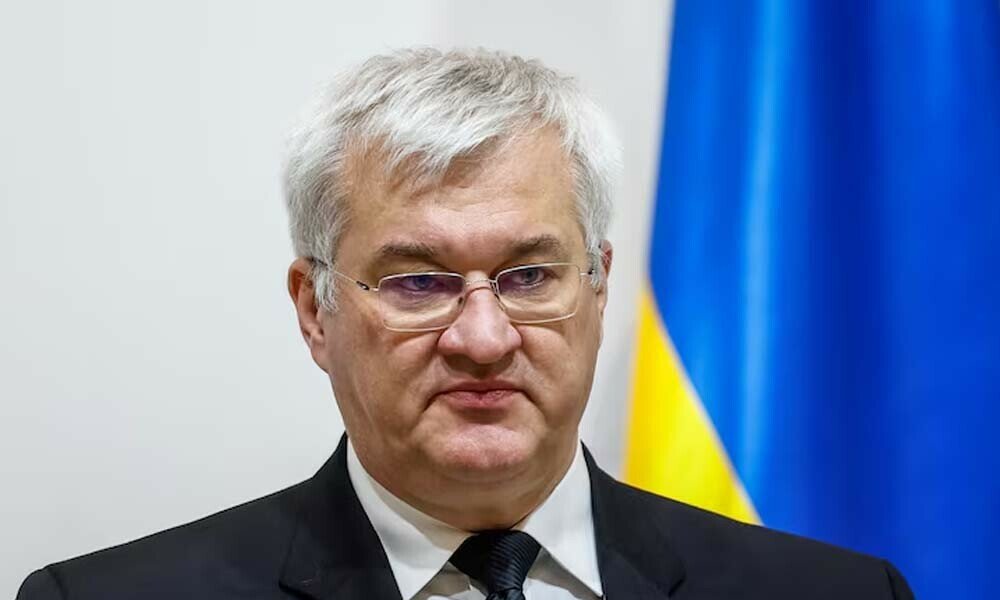
Ukrainian Foreign Minister Andrii Sybiha has officially urged NATO to extend an invitation for Ukraine’s membership during a crucial meeting in Brussels next week.
This appeal marks a significant step in Kyiv’s ongoing efforts to secure NATO membership amid the prolonged conflict with Russia.
In a letter viewed by Reuters, Sybiha underscored that issuing such an invitation would deliver a decisive message to Russian President Vladimir Putin, highlighting that one of his key objectives—preventing Ukraine from joining NATO—remains unattainable.
Sybiha clarified that the invitation should not be interpreted as an act of provocation but rather as a necessary and logical response to the current geopolitical realities.
Ukrainian President Volodymyr Zelenskiy, in an interview with Sky News, described NATO membership as a potential solution to de-escalating the war, which has now entered its 33rd month.
While acknowledging that Ukraine cannot formally join NATO while the conflict persists, Zelenskiy stressed that an invitation at this stage would send a robust political signal of support.
He further emphasized that any invitation must encompass Ukraine’s internationally recognized borders, even if initial membership applies only to territories under Kyiv’s control.
Despite Ukraine’s appeal, NATO diplomats have indicated a lack of consensus among the alliance’s 32 member states, as unanimity is required for such decisions.
While NATO has reaffirmed Ukraine’s future membership and described it as an “irreversible” process, no definitive invitation or timeline has been established.
Ukrainian Deputy Prime Minister Olga Stefanishyna acknowledged the absence of unanimity but noted that Sybiha’s letter symbolizes Ukraine’s commitment and keeps the prospect of membership alive.
Sybiha’s appeal also called for a robust NATO response to Russia’s ongoing aggression, including recent reports of military actions involving North Korean troops.
The upcoming NATO meeting is set against the backdrop of global anticipation for the Ukraine policy of U.S. President-elect Donald Trump. This shift in leadership could influence NATO’s strategy, with member nations closely monitoring the evolving dynamics.
