

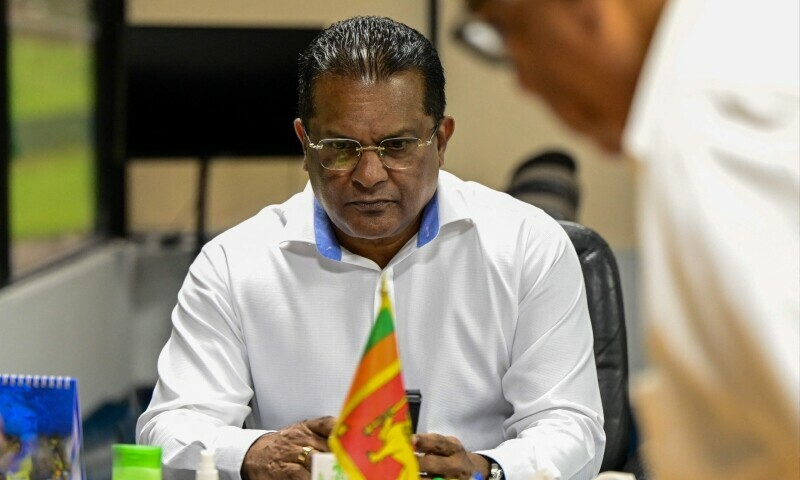

The Court of Appeal in Sri Lanka has nullified the decision made by the sports minister to remove the country’s crisis-ridden cricket board and has reinstated the expelled officials.
This reinstatement is temporary, pending a full hearing, and is a result of a petition submitted by board president Shammi Silva challenging the minister’s move to dissolve the Sri Lanka Cricket Board and appoint an interim committee.
The board will be restored for a two-week period until the court revisits the case. This development marks the latest chapter in an ongoing power struggle between the minister and the cricket board, which is the most financially substantial sports organization in the struggling island nation.
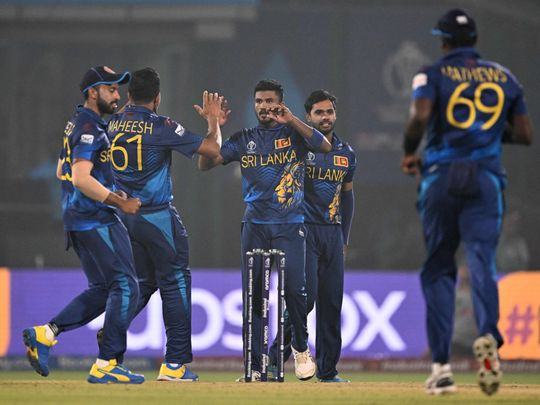
The sports minister, Roshan Ranasinghe, has accused the cricket board of widespread corruption, and his decision to dismiss its members occurred shortly after the national men’s cricket team suffered a significant defeat to India in the World Cup.
As the court’s decision was announced on Tuesday, members of the interim committee, led by former captain Arjuna Ranatunga, vacated the Sri Lanka Cricket offices, and the previously ousted office bearers reclaimed their positions.
The government is divided on this matter, with the cabinet appointing a competing committee, headed by Foreign Minister Ali Sabry, to address “outstanding issues” at the cricket board.
Notably, there has been no immediate response from Arjuna Ranatunga, who assumed his role the day before with a commitment to reforming the board and rejuvenating cricket in Sri Lanka. He expressed his intention to change the image of Sri Lanka Cricket, which he claimed had become known as the most corrupt institution in the country.
Minister Ranasinghe, during a parliamentary session, criticized President Ranil Wickremesinghe, accusing him of attempting to reverse his decision to dismiss the board. Ranasinghe made it clear that he would not relent, even if the president asked him to revoke the appointment of the interim committee.
No response from ICC
The International Cricket Council (ICC), the global governing body of cricket, has not yet issued a response to the ongoing crisis. It is worth noting that the ICC has regulations against political interference and has previously suspended Sri Lanka due to such interference.
Last month, the sports minister had to withdraw a three-member panel tasked with investigating the board after the ICC considered it to be interfering.
In a letter to ICC full members, Ranasinghe sought understanding and support, highlighting the numerous issues faced by Sri Lanka Cricket, including player disciplinary problems, management corruption, financial misconduct, and match-fixing allegations. He emphasized that the interim measures were aimed at establishing good governance principles.
Sri Lanka’s cricket team has not won the World Cup since 1996, and Ranasinghe attributes the decline in standards to the board’s actions. In 2019, former Sports Minister Harin Fernando introduced stringent anti-corruption laws, citing the ICC’s view of Sri Lanka as one of the world’s most corrupt cricketing nations.
