

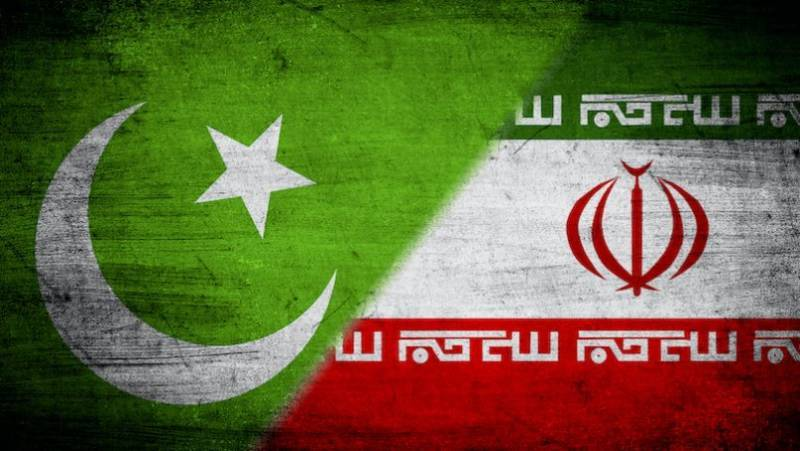

Pakistan and Iran have taken a significant step toward normalizing diplomatic relations by agreeing to restore ties, as revealed in a recent telephonic conversation between Foreign Minister Jalil Abbas Jilani and his Iranian counterpart Hossein Amirabdollahian.
The focus of their discussion was the return of ambassadors to their respective posts, underlining the importance of fostering brotherly ties and enhancing bilateral cooperation.
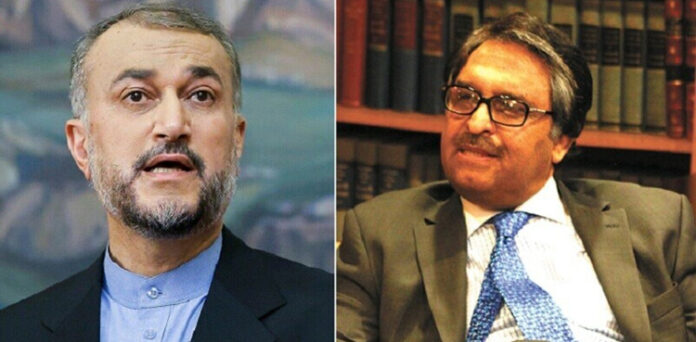
During this diplomatic re-engagement, Pakistan’s caretaker Foreign Minister stressed the need for cooperation to be grounded in the principles of national solidarity and sovereignty.
The agreement comes against the backdrop of recent drone and missile strikes exchanged between the two nations, marking the most notable cross-border intrusions in recent years.
The tit-for-tat actions have raised concerns about regional stability, especially given the ongoing conflict between Israel and Hamas since October 7. In response to the heightened tensions, Caretaker Prime Minister Anwaar ul Haq Kakar, who had cut short a visit to the World Economic Forum in Davos, convened a National Security Council meeting.
The council resolved that any attempts to breach Pakistan’s territory would be met with the full might of the state and urged Iran to address security concerns through existing communication channels.
The willingness of both countries to de-escalate tensions and revive diplomatic channels reflects a commitment to regional stability and cooperation. This development is crucial not only for the immediate resolution of conflicts but also for fostering long-term understanding and collaboration between Pakistan and Iran.
