


Warns that reckless actions could ignite a wider, more dangerous regional war
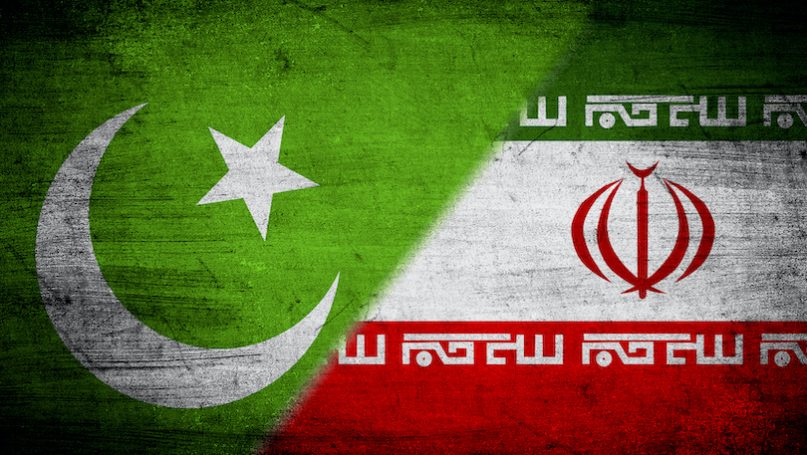
ISLAMABAD: Prime Minister Shehbaz Sharif chaired a meeting of the National Security Committee (NSC) on Monday to examine the fallout from escalating Middle East tensions — sparked by recent Israeli attacks and the June 22 U.S. airstrikes on Iran’s nuclear facilities.
Held at the Prime Minister’s House, the meeting included the Chairman JCSC, chiefs of the Army, Navy, and Air Force, senior federal ministers, top intelligence officials, and Defence Minister Khawaja Asif, Interior Minister Mohsin Naqvi, Finance Minister Muhammad Aurangzeb, and former Interior Minister Rana Sanaullah.
Key takeaways from the session:
- Strong Condemnation of U.S. Strikes
- The NSC described the U.S. attacks on Fordow, Natanz, and Isfahan as a flagrant breach of the UN Charter, international law, and IAEA resolutions.
- It labelled the strikes as reckless, especially amid ongoing diplomatic discussions between Iran and the U.S.
- Endorsement of Iran’s Right to Self-Defense
- Reaffirming that Iran, under Article 51 of the UN Charter, has the legitimate right to respond defensively.
- The NSC voiced “grave concern” over rising regional tensions and warned that such actions could spark a broader conflict.
- Call for Peaceful Resolution
- Pakistan’s leadership reiterated its longstanding policy on the Middle East crisis, reaffirmed its diplomatic commitment, and urged all stakeholders to pursue negotiation, diplomacy, and adhere to humanitarian laws.
- Diplomatic Push & National Security Briefings
- Field Marshal Asim Munir updated participants on his recent U.S. visit, outlining Pakistan’s strategic posture and engagement.
- The committee reviewed diplomatic efforts led by Bilawal Bhutto Zardari aimed at stabilizing the region.
- The meeting also flagged concerns over India’s water aggression, with assurances that Pakistan is monitoring the situation closely.
- Readiness to Safeguard National Interests
- The NSC pledged vigilance against any threats, promising swift action to protect Pakistan’s sovereignty, security, and regional peace.
A source described the meeting as “firm, united, and proactive,” emphasising Pakistan’s determination to help avert a large-scale regional conflict through diplomacy and resolve.
