


Nobel Peace Prize 2024
The Nobel Peace Prize remains one of the world’s most prestigious honors, awarded annually to individuals or organizations whose work has significantly contributed to peace and cooperation across nations.
As the world looks ahead to the 2024 announcement, speculation is mounting over potential nominees, including a notable mention—Israeli Prime Minister Benjamin Netanyahu has nominated U.S. President Donald Trump for the award. If selected, Trump would join the ranks of four previous American presidents who have received the honor: Theodore Roosevelt, Woodrow Wilson, Jimmy Carter, and Barack Obama.
Who Can Win the Nobel Peace Prize?
The prize was established based on the will of Alfred Nobel, the Swedish inventor of dynamite and a passionate advocate for global harmony. According to Nobel’s will, the Peace Prize should go to the person “who has done the most or best to advance fellowship among nations, the abolition or reduction of standing armies, and the establishment and promotion of peace congresses.”
Chair of the Norwegian Nobel Committee, Jorgen Watne Frydnes, emphasizes that anyone—regardless of background or status—can be awarded the prize, highlighting the diversity of past recipients from various walks of life and regions of the world.
Who Can Nominate a Candidate?
Nominations can be submitted by thousands of eligible individuals, including members of national governments and parliaments, university professors in certain disciplines, current heads of state, and previous Nobel Peace Prize laureates. However, individuals are not permitted to nominate themselves.
While the Nobel Committee keeps the official nominee list confidential for 50 years, those making nominations are free to disclose their choices publicly, as Netanyahu did with his nomination of Trump.
However, since nominations close each year on January 31, Trump’s 2024 nomination will not be considered until the following year.
How Is the Winner Chosen?
The Norwegian Nobel Committee, comprising five members appointed by the Norwegian parliament, is solely responsible for selecting the laureate. These individuals are often experienced politicians or public figures, though not always. Their selection reflects the political makeup of the Norwegian parliament at the time of their appointment.
Once nominations close, the committee holds its first meeting in February, during which members can submit their own suggestions. A shortlist is then drawn up, and nominees are rigorously evaluated by permanent advisers and external experts.
While the committee strives for consensus, decisions can be made by majority vote. The final choice is typically made just days before the official October announcement.
Why Is the Prize Sometimes Controversial?
Over the years, the Nobel Peace Prize has often stirred debate due to its political implications. The official website acknowledges that many laureates have been “highly controversial political actors.”
Notable examples include the 2009 award to Barack Obama just months after taking office and the 1973 award to Henry Kissinger and Le Duc Tho for ending the Vietnam War—an announcement that led to the resignation of two committee members. Similarly, the 1994 award to Yasser Arafat, Shimon Peres, and Yitzhak Rabin sparked further resignations.
What Does the Laureate Receive?
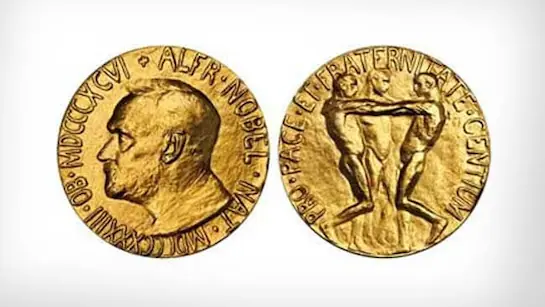
Winners of the Nobel Peace Prize are awarded a gold medal, an official diploma, and 11 million Swedish crowns (approximately $1.15 million). Perhaps more significantly, they receive global recognition and influence, further amplifying their work and message on the world stage.
As anticipation builds for the 2024 Peace Prize, the world watches closely to see who will be honored next—and what message the selection will send about the state of global peace today.
