


Pakistan Reaffirms Principled Stance: No Recognition of Israel Without Sovereign Palestinian State
ISLAMABAD — Senior Pakistan Muslim League-Nawaz (PML-N) leader Khurram Dastgir on Tuesday stated that Pakistan will not engage in any dialogue regarding the Abraham Accords until a sovereign Palestinian state is established.
Speaking on private tv program, Dastgir emphasized, “Israel will not be accepted until a sovereign Palestinian state is established.” He added that U.S. President Donald Trump must reconsider the two-state solution if he is serious about achieving lasting peace in the Middle East.
No External Pressure on Pakistan Over Accords, Says Minister of State
Also appearing on the program, Minister of State for Law and Justice Barrister Aqeel Malik dismissed speculation about international pressure on Pakistan to join the Abraham Accords.
“There is no pressure from the Trump administration or anyone else. Pakistan will act solely in its national interest,” Malik stated. He reiterated that Pakistan’s stance remains principled and moral, pointing to past decisions regarding Iran and Israel as examples of an independent foreign policy.
“Pakistan opposed aggression against Iran and stood firm. No country can compel us to accept or reject anything,” he added.
Rana Sanaullah: Pakistan Should Stand With Muslim Allies
Adviser to the Prime Minister, Rana Sanaullah, echoed similar sentiments. He stressed that Pakistan should align itself with the broader Muslim world, particularly Saudi Arabia, Türkiye, and Iran, when it comes to matters like the Abraham Accords.
He underlined the importance of regional unity and strategic cooperation across the Middle East, stating, “Pakistan ought to support its Muslim allies and take positions that reflect regional solidarity.”
Sanaullah also noted that Iran’s current position has evolved, suggesting a dynamic shift in regional geopolitics that Pakistan must navigate carefully.
Background: The Abraham Accords
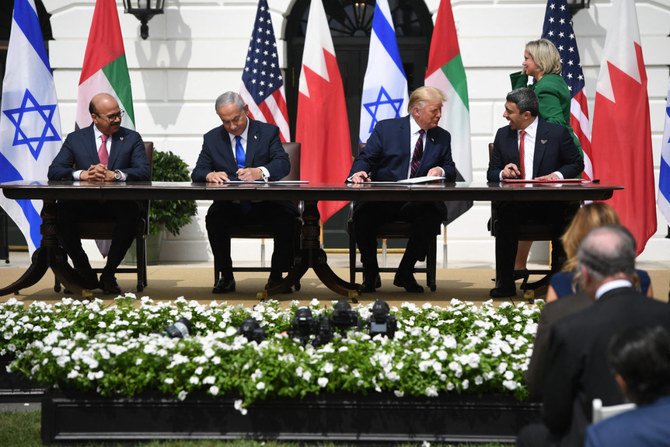
The Abraham Accords, brokered by the Trump administration in 2020, led to the normalization of relations between Israel and several Arab countries, including the UAE, Bahrain, Morocco, and Sudan. While the initiative was hailed by some as a step toward Middle East peace, critics argue that it sidelines the Palestinian cause, which Pakistan has long championed.
