

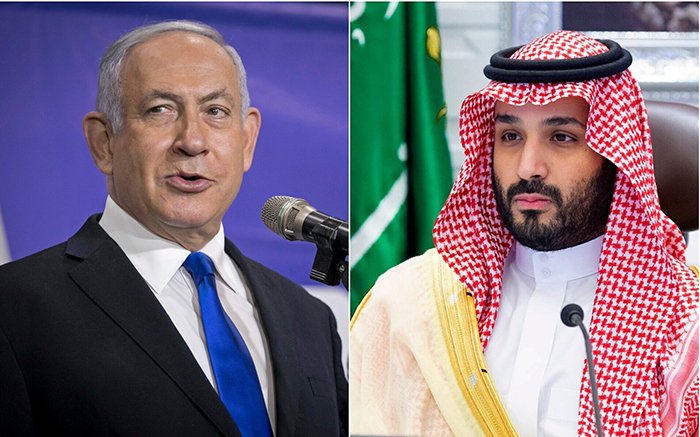

ISLAMABAD: Israel rejected the establishment of a diplomatic presence in Jerusalem for the new Saudi envoy to the Palestinians. This appointment coincides with Washington’s efforts to establish official Israeli ties with Riyadh.
Today, Saudi Ambassador to Jordan Nayef Al-Sudairi took on the additional role of a non-resident envoy to the Palestinians as he expanded his credentials.
A social media post by his embassy in Amman said “consul-general in Jerusalem” was now among Al-Sudairi’s duties.
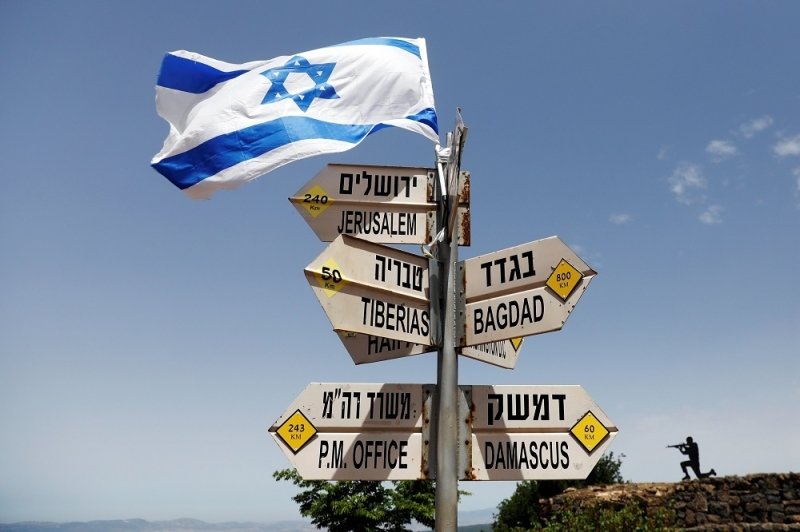
This alignment with the Palestinians’ enduring goal comes as they seek to establish a state in territories occupied by Israel during the 1967 war. The desired state would have East Jerusalem as its capital.
In contrast, Israel considers Jerusalem its own capital, a designation recognized by the United States in 2017 under then-President Donald Trump.
However, this recognition is not shared by other world powers. Additionally, Israeli authorities prohibit Palestinian diplomatic activities in the city.
Saudi Diplomatic Role and Palestinian Statehood Amid Shifting Dynamics
Saudi Arabia has consistently supported the Palestinian cause and refrained from establishing official ties with Israel. Despite this, the US is actively working towards a potentially historic Middle East deal. This deal could involve the normalization of relations between Israel and Saudi Arabia.
Israeli Foreign Minister Eli Cohen said, “This (Al-Sudairi) could be a delegate who will meet with representatives in the Palestinian Authority.”
“We will not allow the opening of any kind of diplomatic mission” in Jerusalem, Cohen added. “Will there be an official physically sitting in Jerusalem? This we will not allow,” He further said.
Israel’s hard-right government has downplayed the likelihood of making substantial concessions to the Palestinians within a normalization agreement with Saudi Arabia.
Previously, Riyadh had made the recognition of Israel contingent upon addressing the Palestinians’ aspiration for statehood.
An obstacle to achieving this goal is the divide between the internationally supported Palestinian administration and the Hamas, its armed Islamist counterpart.
Bassam Al-Agha, the Palestinian ambassador to Riyadh, portrayed Al-Sudairi’s appointment as a Saudi endorsement of Palestinian statehood and “rejection of what had been announced by former US President Trump”.
“This means a continuation of Saudi Arabia’s positions,” Al-Agha said. Although Cohen noted that Al-Sudairi’s appointment had not been synchronized with Israel, he perceived a potential connection to the prospects of normalization.
Cohen said, “What is behind this development is that, against the backdrop of progress in the US talks with Saudi Arabia and Israel, the Saudis want to relay a message to the Palestinians that they have not forgotten them.”
