

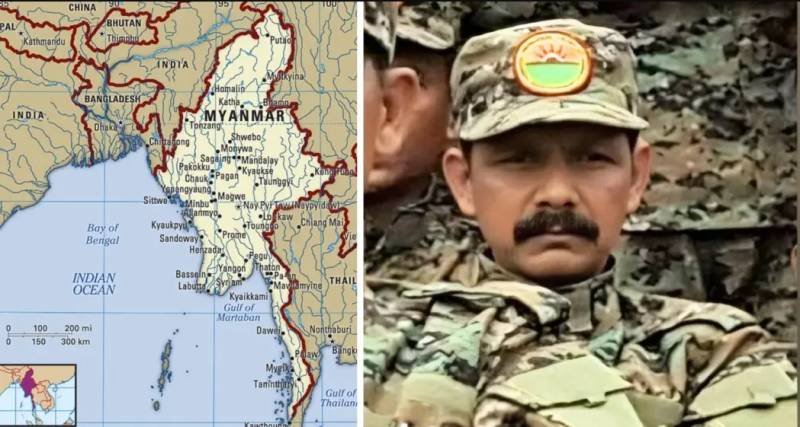

India faces international condemnation after being accused of violating Myanmar’s sovereignty through alleged cross-border drone strikes on July 13. This unprecedented military action is being widely interpreted as a provocative escalation driven by Indian Prime Minister Narendra Modi’s “expansionist mindset,” raising alarms over regional stability.
Cross-Border Drone Strikes Target ULFA (I) Camps
According to multiple reports, Indian armed forces used around 150 Israeli-made drones to strike alleged camps of the United Liberation Front of Asom (Independent) (ULFA (I)) in Myanmar’s Sagaing Region. The operation reportedly resulted in several fatalities, including the death of ULFA commander Nain Asom.
While Indian media has detailed the operation, India’s Ministry of Defence officially denied involvement, a move that critics argue undermines transparency and deepens concerns about disregard for international law and the UN Charter.
Political Motives and Regional Implications
Security analysts suggest the alleged drone strikes may have been orchestrated to distract domestic attention from recent military setbacks, including the controversial “Operation Sindoor.” Sources claim India’s National Security Advisor, Ajit Doval, oversaw the operation, known for his assertive national security policies.
Observers warn these actions reflect a broader strategy aligned with Hindutva-driven ambitions, potentially heightening tensions with neighbors like Nepal, Pakistan, and China. The attack has fueled perceptions of India’s increasingly militaristic foreign policy, risking further deterioration of diplomatic ties across South Asia.
Rising Global Concern Over Territorial Integrity Breach
The violation of Myanmar’s territorial integrity has drawn widespread rebuke from regional analysts and global institutions. Many argue such unilateral actions undermine collective efforts for peace and cooperation in South Asia, and could set a dangerous precedent if left unchallenged.
Strategic experts caution that unless held accountable, India’s aggressive cross-border strategy could deepen instability across an already fragile region, increasing the likelihood of broader conflict.
