


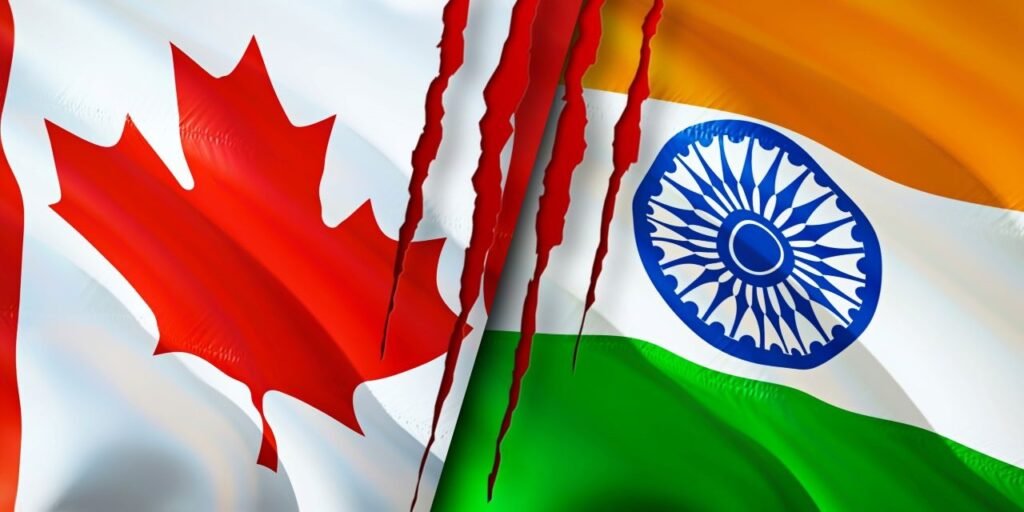
Bilateral Ties
India expressed on Sunday that its relationship with Canada is currently going through a challenging phase, primarily due to what it views as “continued interference” by Canadian personnel in its internal affairs.
The Indian government voiced its displeasure after Canadian Prime Minister Justin Trudeau suggested last month that Indian agents might have been involved in the murder of a Sikh separatist leader in British Columbia in June. India firmly denied the allegation.
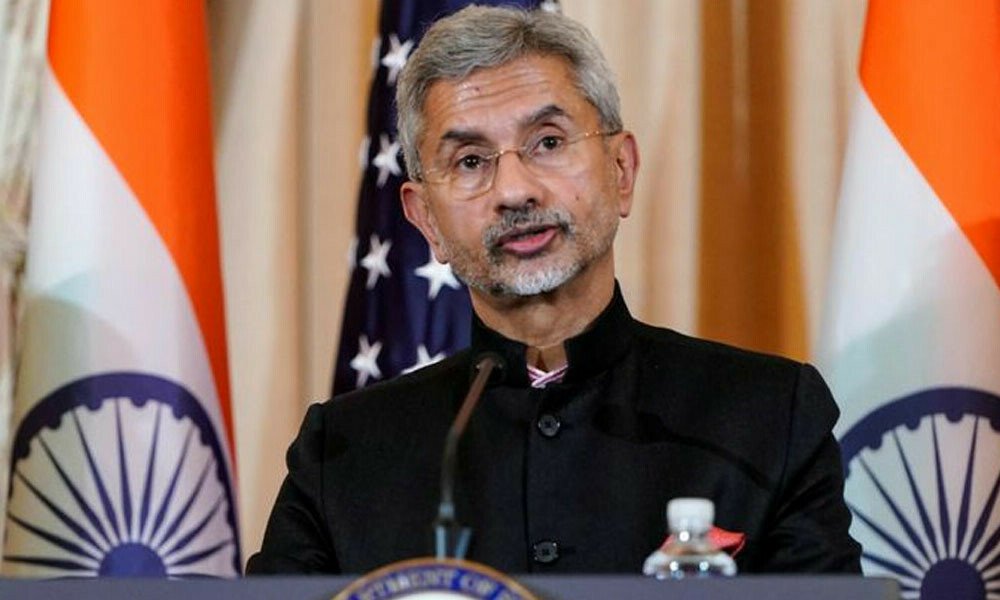
Foreign Affairs Minister S. Jaishankar stated during an event that the current relationship difficulties are primarily with a specific segment of Canadian politics and the policies stemming from that segment. In response to these tensions, Canada had to withdraw 41 of its diplomats from India, as New Delhi unilaterally revoked their official diplomatic status.
Jaishankar noted that India invoked diplomatic parity under the Vienna Convention due to concerns regarding continuous interference by Canadian personnel in Indian affairs.
He also mentioned that India had ceased issuing visas in Canada a few weeks ago, citing concerns about the safety and security of its diplomats. India would consider resuming visa issuance if progress is made in ensuring the safety of its diplomats in Canada.
Canada’s Foreign Minister Melanie Joly had previously criticized India’s stance, labeling it as unreasonable and a violation of the Vienna Convention on diplomatic relations.
Canada, with a significant population of Indian heritage and numerous Indian international students, seeks to restore normalcy to the relationship between the two nations. Overall, India expressed a challenging phase in its bilateral ties with Canada due to perceived interference in internal affairs.
