


President Donald Trump left open the possibility of U.S. military involvement in the ongoing Israel-Iran war on Wednesday, stating that Tehran had reached out for negotiations.
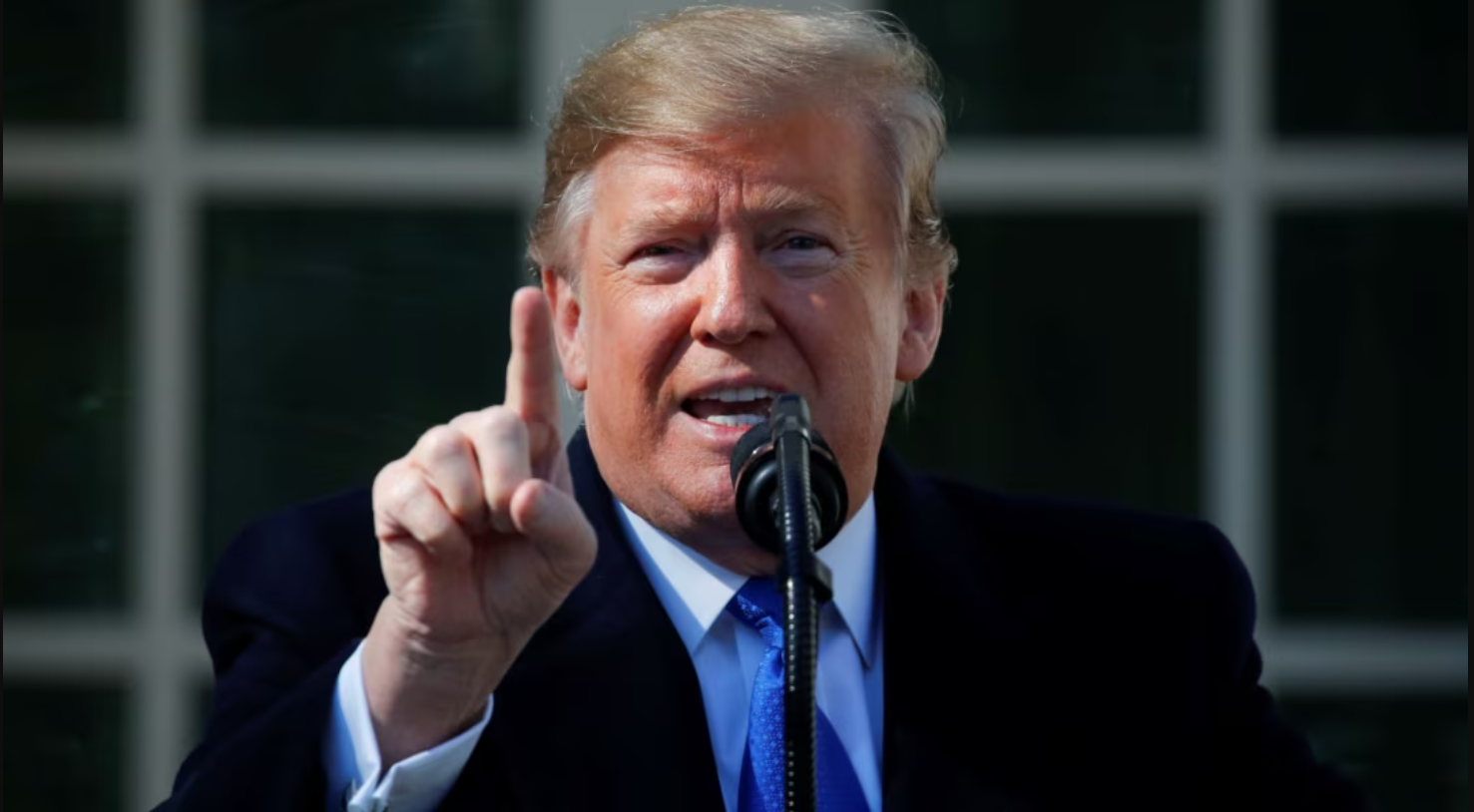
“I may do it, I may not do it. I mean, nobody knows what I’m going to do,” Trump told reporters while overseeing the installation of a new flagpole on the White House South Lawn, fueling speculation about whether Washington will enter the conflict militarily.
In response, Iran’s Supreme Leader Ayatollah Ali Khamenei appeared on national television, declaring that “Iran will stand firm against an imposed war, just as it will stand firm against an imposed peace.” The remarks came as both countries entered the sixth consecutive day of fighting, marked by widespread airstrikes, missile launches, and international evacuations.
Intensifying Strikes and Civilian Impact
Iran has launched more than 400 missiles and numerous drones toward Israel, including hypersonic Fattah-1 missiles, claiming to have gained aerial dominance over Israeli territory. In retaliation, Israel has conducted its most extensive air campaign to date, hitting over 40 targets inside Iran, including the Fordow nuclear facility, the Natanz enrichment site, and drone and missile manufacturing plants in Tehran and Karaj.
The UN’s nuclear watchdog, the IAEA, confirmed that Israeli airstrikes damaged key centrifuge production sites, while a recent U.S. intelligence report maintained that Iran is “years away” from building a nuclear weapon—contradicting Israeli claims that Tehran was nearing weapons capability.
Trump’s Mixed Signals
Trump’s public comments have oscillated between threats and ambiguity. In a series of posts on Truth Social, he claimed “we now have total control of the skies over Iran” and made a veiled threat against Khamenei: “We know exactly where the so-called ‘Supreme Leader’ is hiding … We are not going to take him out (kill!), at least not for now.”
The U.S. has so far refrained from direct engagement but has significantly increased its regional presence, deploying F-16, F-22, and F-35 fighter jets, with four B-52 bombers reportedly stationed at Diego Garcia. Officials say these deployments are defensive.
Humanitarian and Diplomatic Fallout
The escalating violence has triggered a mass exodus. Thousands of civilians have fled Tehran following Trump’s warning, while Israel estimates that over 150,000 of its citizens are currently stranded abroad due to airspace closures. Special repatriation flights have resumed from Cyprus to Tel Aviv.
Multiple countries—including China, Japan, Pakistan, Russia, and the UK—have evacuated or are in the process of evacuating their nationals from the region. Over 770 Pakistanis have returned home, and Japan has dispatched a military plane to Djibouti for evacuation operations.
In Tel Aviv, civilians have sought refuge in underground parking lots as air raid sirens continue. Israel’s defense capacity is under strain, with U.S. officials warning that the country is running low on long-range “Arrow” missile interceptors.
Strategic Setbacks and Cyberwarfare
Iran’s leadership has suffered major blows, with reports that top military and security aides to Khamenei were killed in Israeli strikes—prompting tighter cybersecurity restrictions. Authorities banned officials from using mobile phones, and state TV urged citizens to delete WhatsApp, accusing it of transmitting data to Israel.
Meanwhile, Iran claims to have arrested five Mossad agents and intercepted 14 hostile drones across multiple provinces. A cyberattack also crippled Sepah Bank, one of Iran’s key state-owned financial institutions.
With global oil markets rattled by the strikes—especially on Iran’s South Pars gas field shared with Qatar—and no clear end in sight, regional and international actors continue to urge restraint as the specter of direct U.S. military involvement looms.
