

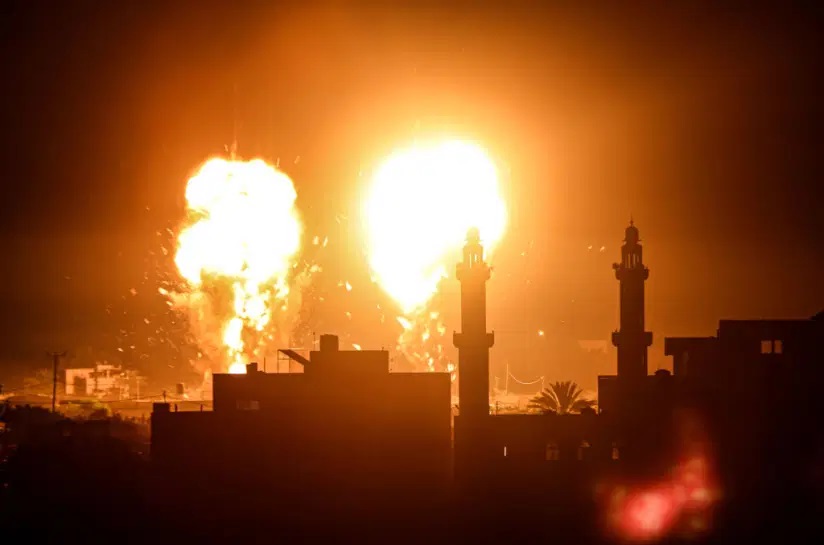

The aftermath of the al-Aqsa Storm Operation by Hamas on October 7 has left the Israeli economy and companies in disarray. Settlers are grappling with an unprecedented situation, aggravated by a lack of government financial guidance.
Over a month since the retaliatory operation, the war on Gaza has taken a severe toll on Israeli businesses, with hundreds on the brink of bankruptcy.
Approximately 18 percent of the workforce, around 765,000 Israelis, are not working due to reserve duty call-ups for the conflict. The war’s destructive impact on the Israeli economy is evident.

Despite financial measures announced by Prime Minister Benjamin Netanyahu and Finance Minister Bezalel Smotrich, they faced criticism from business groups. In response, the Israeli war cabinet introduced new provisions to alleviate economic concerns.
However, 300 leading Israeli economists called for a fundamental change in national priorities and a significant reallocation of funds to address war damage, aid victims, and rehabilitate the economy.
Eugene Kandel, chair of the Start-Up Nation Policy Institute, stated that the Israeli government has not grasped the gravity of the situation. Concerns persist that promised financial packages may not be sufficient if economic prospects continue to deteriorate. Some argue for a reevaluation of government spending priorities alongside the support package.
Netanyahu’s coalition partners’ allocation of funds to projects unrelated to the war economy has left numerous companies without promised financial support.
Foreign Policy magazine warns that Israel’s wartime economy may face a recession, especially with ongoing military mobilization near Gaza causing economic strain.
Sectors such as oil and gas, tourism, healthcare, retail, and technology are expected to bear the brunt of a prolonged war on Gaza.
Despite starting with significant reserves and military aid, experts anticipate that the ongoing conflict will cost the Israeli economy billions and take an extended period to recover.
Economists and analysts widely anticipate a substantial impact on the regime’s economy in both the short and long term. Global credit rating agencies, including Fitch Ratings, S&P, and Moody’s Investors Services, have issued warnings. S&P has already lowered Israel’s credit outlook to negative, citing the risks of the war expanding and negatively affecting the economy.
Estimates suggest a potential 15 percent fall in the last quarter of the year, significantly surpassing the impact of previous wars.
The cessation of flights to Israeli-occupied Palestinian territories by numerous airlines further threatens the tourism industry, upon which the regime heavily relies.
