


ROME/WASHINGTON: The European Union has prepared a $24.5 billion (21 billion euro) package of retaliatory tariffs on U.S. goods in response to President Donald Trump’s threat to impose a 30% tariff on imports from the EU and Mexico starting August 1, Italy’s Foreign Minister Antonio Tajani revealed in an interview published Monday.
Speaking to Il Messaggero, Tajani warned that if negotiations fail, the EU is ready to act decisively. “We have already prepared a package worth 21 billion euros, and if no agreement is reached, a second round of measures could follow,” he said, while expressing hope that a deal is still possible. “Tariffs hurt everyone, starting with the United States,” he added. “If stock markets fall, it puts the pensions and savings of Americans at risk.”
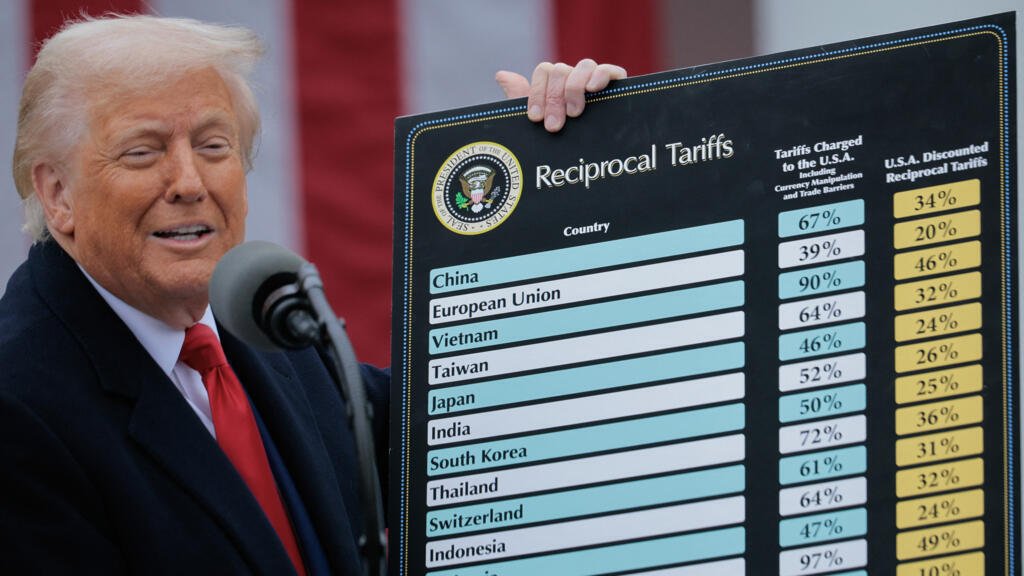
Tensions have escalated sharply after President Trump’s announcement on Saturday that, following weeks of stalled trade talks, the U.S. will proceed with a sweeping 30% tariff on goods from both Mexico and the EU. The move has alarmed leaders in Europe, who view it as a major threat to transatlantic trade.
In an effort to ease tensions, the European Union announced Sunday it would extend its suspension of countermeasures until early August and continue pressing for a negotiated settlement. Tajani, meanwhile, called on the European Central Bank to support the eurozone economy through a renewed bond-buying programme and further interest rate cuts.
German Chancellor Friedrich Merz said Sunday he is working closely with French President Emmanuel Macron and European Commission President Ursula von der Leyen to de-escalate the brewing trade conflict. “Zero tariffs and open markets between Canada, the United States, Mexico, and Europe should be the ultimate goal,” Tajani emphasized.
European Trade Commissioner Maros Sefcovic echoed a cautious optimism on Monday, saying negotiations with Washington were moving toward a “positive outcome.” However, he warned that a 30% tariff would be devastating for trade flows, stating, “It would practically eliminate transatlantic trade.”
