

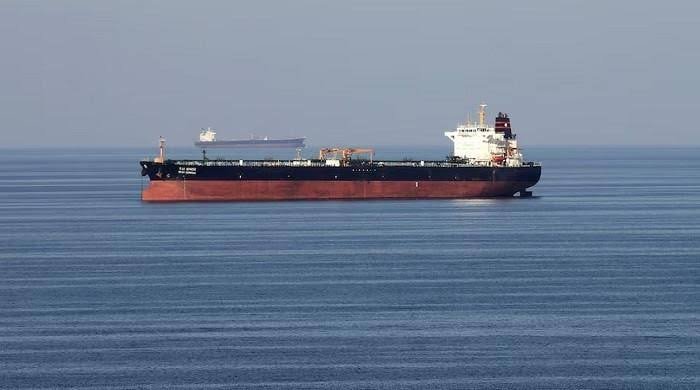

U.S. officials say Iran loaded naval mines onto vessels in the Persian Gulf last month, raising fears it might move to block the critical Strait of Hormuz after Israeli strikes on Iranian targets. While the mines were not deployed, the move suggested Tehran was seriously considering shutting one of the world’s busiest shipping lanes, a step that could have crippled global commerce.
Roughly a fifth of the world’s oil and gas supply passes through this narrow waterway. A blockade would likely have triggered a sharp rise in energy prices. Instead, global oil prices fell by over 10% after U.S. strikes on Iran’s nuclear sites, helped by relief that trade remained uninterrupted.
Iran’s parliament reportedly supported blocking the strait after the U.S. attacks, though the final call rested with the Supreme National Security Council. Historically, Iran has threatened but never carried out closure of the strait. The U.S. could not confirm exactly when Iran loaded the mines or if they remain onboard, and officials haven’t ruled out that the move was a deliberate bluff to pressure Washington.
Strategically positioned between Oman and Iran, the Strait of Hormuz is just 21 miles wide at its narrowest point, with shipping lanes only about 2 miles wide each way. OPEC countries and major LNG exporter Qatar all rely heavily on this route, as does Iran itself.
As of 2019, Iran reportedly maintained over 5,000 naval mines ready for rapid deployment. The U.S. Fifth Fleet, based in Bahrain, had temporarily moved its mine countermeasure vessels before the strikes on Iran, anticipating potential retaliation. While Iran’s immediate response was limited to a missile strike on a U.S. base in Qatar, officials warn further retaliation remains possible.
