


“Reasonable grounds to believe crimes against humanity committed,” court says
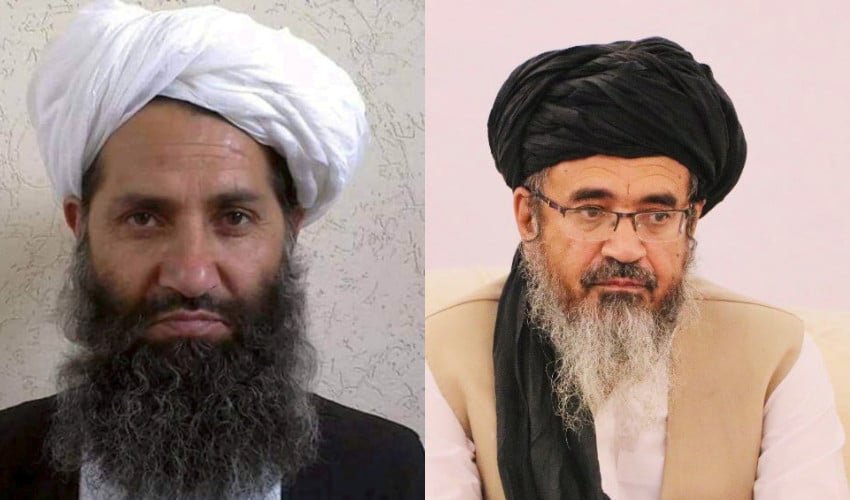
THE HAGUE — The International Criminal Court (ICC) on Tuesday issued arrest warrants for two senior Taliban officials, including the group’s supreme leader, Haibatullah Akhundzada, accusing them of committing crimes against humanity through the systemic persecution of women and girls in Afghanistan.
According to the ICC, there are “reasonable grounds to believe” that Akhundzada and Abdul Hakim Haqqani, Chief Justice of the Taliban regime, are responsible for widespread gender-based persecution. The court alleges that their policies have targeted women, girls, and individuals who do not conform to the Taliban’s strict interpretations of gender identity and expression.
The warrants mark a major step in holding the Taliban accountable on the international stage, amid growing global condemnation of the regime’s harsh restrictions on women’s rights, including bans on education, employment, and public participation.
Allegations and International Reactions
The ICC’s action is based on what prosecutors describe as a “coordinated and systematic attack” against women and girls, carried out as part of state policy since the Taliban’s return to power in 2021.
While the Taliban has yet to respond officially to the warrants, international concern is mounting over reports of human rights abuses under their regime.
In a related development, U.S. Senator Marco Rubio posted on social media platform X that he had received information suggesting the Taliban may be holding more American hostages than previously reported.
“If this is true, we will have to immediately place a VERY BIG bounty on their top leaders — maybe even bigger than the one we had on Bin Laden,” Rubio wrote.
The ICC has no enforcement powers of its own and relies on member states to execute arrest warrants. Afghanistan is not a party to the Rome Statute, but the court argues jurisdiction based on the previous Afghan government’s acceptance of ICC authority.
The move comes as international pressure continues to grow for concrete action against regimes that suppress fundamental human rights — especially those targeting women and minorities under the guise of ideology or religion.
