

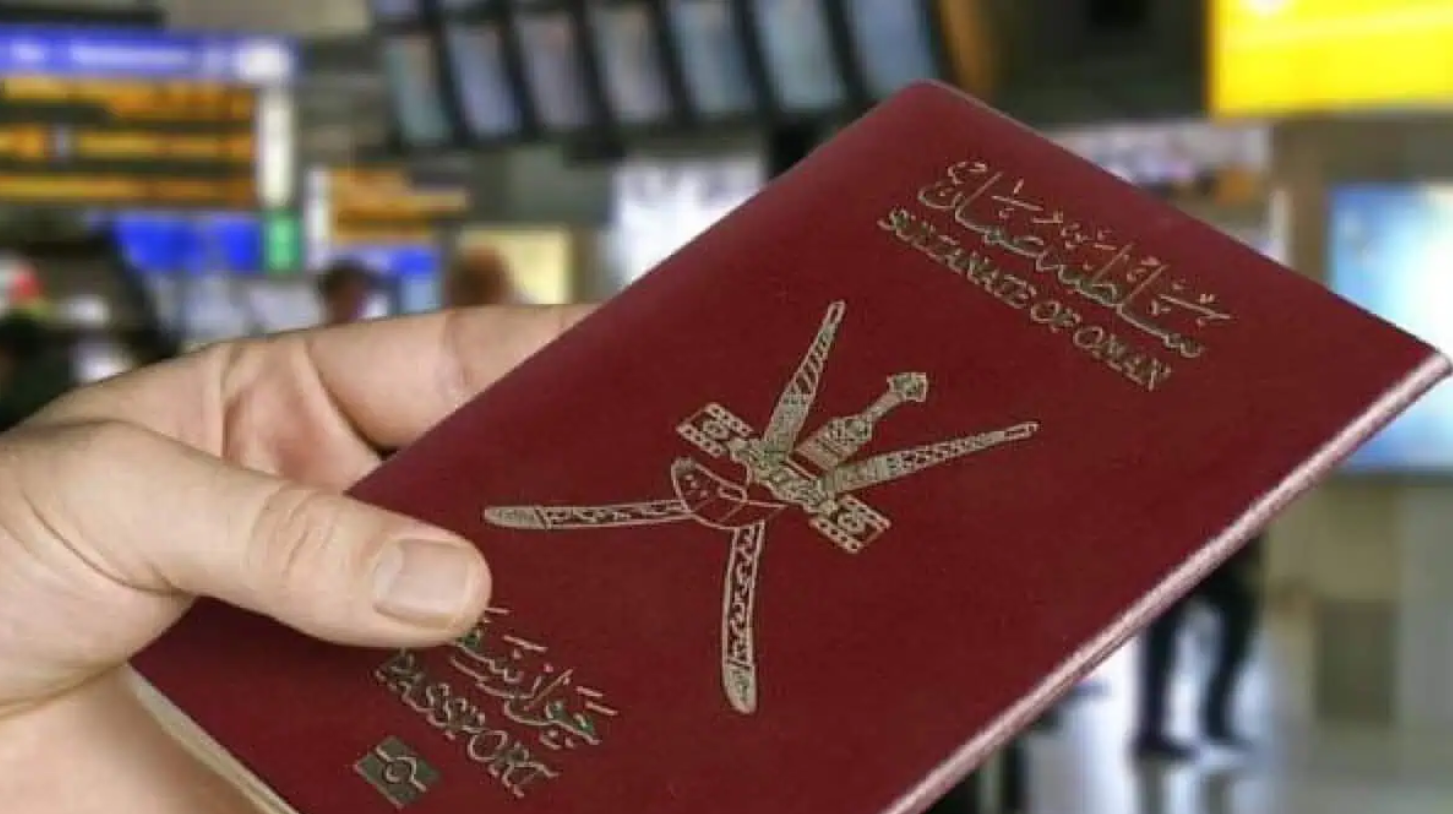

Sultan Haitham bin Tariq of Oman has approved citizenship for 45 individuals through a Royal Decree, in line with the country’s newly enacted nationality law. The updated framework clarifies the procedures, conditions, and eligibility for obtaining Omani citizenship by birth, marriage, or naturalization.
The move marks one of the first major applications of the new law, which aims to standardize nationality procedures while safeguarding national interests.
Key Provisions of the New Nationality Law
The new nationality law defines multiple routes for acquiring Omani citizenship. These include birth to an Omani parent, marriage to an Omani citizen, or long-term residence followed by naturalization. Each category has its own criteria and documentation requirements.
However, dual citizenship remains largely prohibited. Individuals who acquire another nationality without prior approval from the Sultan automatically lose their Omani citizenship. Exceptions to this rule can only be made through a Royal Decree.
Rules Governing Marriage and Citizenship
The law introduces detailed marriage-related provisions to prevent misuse of citizenship privileges. A foreign man who acquires Omani nationality through marriage to an Omani woman will lose it if the marriage ends in divorce or desertion within five years. Importantly, this loss of nationality does not extend to the couple’s children, who retain their Omani citizenship.
Similarly, a foreign woman who gains Omani nationality by marrying an Omani man will lose her citizenship if she later divorces and marries a non-Omani. The revocation takes effect from the date of her second marriage.
Conditions for Citizenship Revocation
The revised law empowers authorities to revoke citizenship under specific circumstances to protect national integrity and security. Citizenship may be withdrawn from individuals who:
-
Commit acts deemed insulting to the Sultan or the Sultanate,
-
Join organizations hostile to Oman’s interests, or
-
Serve in foreign governments in positions contrary to Omani national interests.
Additionally, individuals convicted of crimes against state security or multiple felonies within five years of acquiring citizenship risk losing their nationality.
Another revocation condition applies to long-term absences. Individuals who remain outside Oman for more than 24 consecutive months without valid justification may have their citizenship withdrawn.
Reinstatement of Citizenship
The law also provides a path for reinstating Omani nationality if the reasons for revocation no longer apply. This clause offers flexibility for individuals who may have lost citizenship due to temporary or remediable circumstances.
Through this provision, Oman demonstrates a balance between protecting national security and allowing fairness in exceptional cases.
A Step Toward Clearer National Identity Regulations
The Royal Decree granting citizenship to 45 individuals reflects Oman’s commitment to transparent governance and clearly defined citizenship laws. The new nationality law not only establishes clear eligibility and revocation conditions but also ensures that Omani citizenship remains a mark of loyalty and legal integrity.
The emphasis on accountability, loyalty, and national security underscores the Sultanate’s ongoing efforts to strengthen its legal and administrative systems.
