

National CPI Shows Monthly and Annual Increase
Pakistan’s inflation rate climbed to 6.98 percent in February 2026. The latest data was released by the Pakistan Bureau of Statistics. The National Consumer Price Index (CPI) increased 0.27 percent compared to January 2026. On a year-on-year basis, prices rose sharply from February 2025.
Analysts said the figure was within expectations. Topline Securities had projected inflation between 6.75 and 7.25 percent. Arif Habib Limited noted this is the highest annual increase since October 2024. The data confirms sustained inflationary pressure in the economy.
Urban inflation also increased. The Urban Consumer Price Index rose 0.27 percent month-on-month. It climbed 6.79 percent compared to the same month last year. Rural inflation was slightly higher. The Rural Consumer Price Index rose 0.28 percent monthly and 7.27 percent annually.
The Wholesale Price Index recorded a 0.66 percent monthly increase. On a yearly basis, wholesale prices were up 1.05 percent. The numbers reflect pressure across both consumer and wholesale markets.
Food and Electricity Lead Price Surge
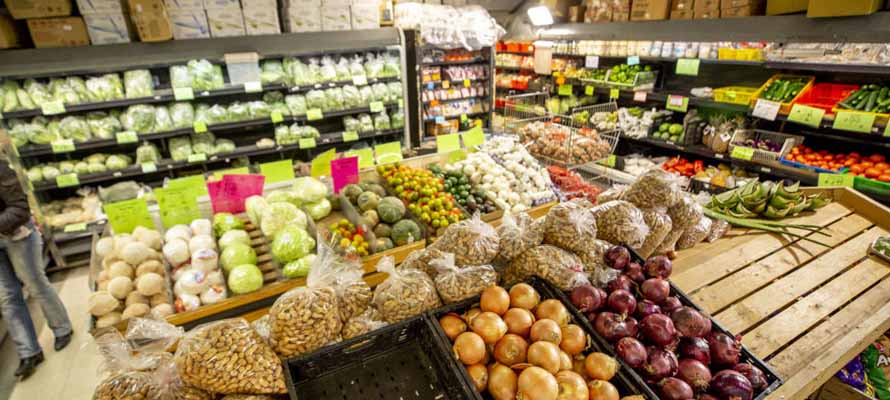
Food prices were a major driver of inflation in February. Tomato prices jumped 23.05 percent in one month. Fresh fruits increased 11.48 percent. Pulse mash rose 8.19 percent. Beverages climbed 1.65 percent. Meat prices increased 1.45 percent.
Other increases were seen in pulse moong, mustard oil, and dry fruits. Wheat products and ready-made food also recorded gains. Even small monthly increases add pressure on household budgets.
Electricity charges surged 10.03 percent in February. Higher power bills significantly impacted urban households. Cleaning and laundering services rose 2.09 percent. Tailoring charges increased 2.04 percent. Solid fuel prices went up 1.71 percent. Doctor clinic fees also saw a 1.05 percent rise.
However, some relief was visible in selected food items. Egg prices dropped 22.39 percent. Chicken prices fell 19.99 percent. Potatoes declined 15.89 percent. Onions and fresh vegetables also recorded decreases. Cooking oil, vegetable ghee, sugar, and gram whole showed slight reductions.
Transport services dropped 10.38 percent during the month. Stationery prices saw a marginal decline. Despite these decreases, overall inflation remained elevated.
SPI Data Shows Mixed Short-Term Trends
The Sensitive Price Indicator (SPI) showed modest monthly easing. All income quintiles recorded slight declines compared to January. Quintile 1 fell 0.15 percent. Quintile 2 edged down 0.02 percent. Quintile 3 declined 0.20 percent. Quintile 4 dropped 0.30 percent. Quintile 5 decreased 0.27 percent.
The combined SPI index fell 0.12 percent month-on-month. This suggests mild short-term relief for consumers. However, the yearly picture remains concerning.
On a year-on-year basis, SPI rose across all quintiles. Quintile 2 recorded the highest increase at 5.88 percent. Quintile 3 rose 5.02 percent. Quintile 1 increased 4.80 percent. Quintile 4 climbed 4.35 percent. Quintile 5 saw a 3.50 percent rise. Overall, the combined index was up 4.60 percent from February 2025.
Weekly data showed price volatility. The first week recorded a 0.09 percent increase in the combined index. The second week declined 0.59 percent. The third week surged 1.16 percent. The final week fell 0.54 percent.
These fluctuations highlight ongoing instability in essential goods prices. While monthly easing appeared in SPI, annual inflation remains persistent. Rising electricity charges and food costs continue to pressure households nationwide.

