

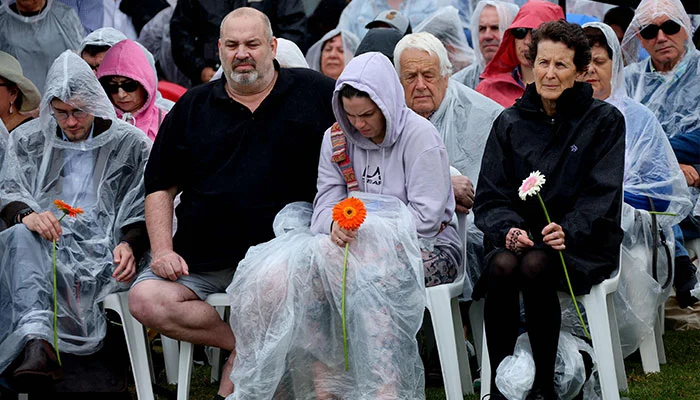

On Wednesday, hundreds of mourners and survivors remembered the bombings that left more than 200 people dead on the Indonesian tourist island of Bali twenty years ago.
A memorial will be held in Kuta, Bali’s well-known tourist destination, where militants with ties to Al-Qaeda detonated bombs at a bar and nightclub on October 12, 2002. The event will be attended by grieving families, assault survivors, and representatives from many embassies.
The blast left Thiolina Marpaung, one of the memorial’s organisers, with permanent eye injuries. “It’s alright that some people have forgotten what occurred 20 years ago, but there are still actual victims, there are children who lost their parents in the bombing,” she added.
The 47-year-old expressed his desire for them to not be forgotten to AFP.
The candlelight vigil, which will commemorate the 202 victims of Southeast Asia’s deadliest terrorist assault, will be held at a monument that the families of the victims built just yards from the blast site.
The majority were tourists from more than 20 different nations, although Australia suffered the greatest loss with 88 fatalities.
The Australian Prime Minister Anthony Albanese said at a commemoration event on Wednesday in Sydney that amazing displays of bravery and self-sacrifice quickly overcame the horror of the attacks.
He spoke to a gathering gathered at the city’s renowned Coogee Beach under a light drizzle, saying, “They wanted to create dread, but people raced towards the terror to do what they could for friends and strangers alike.”
One dove was released during the ceremony for each deceased Australian, totaling 88.
Like the disastrous Gallipoli war of World War I, Albanese claimed that the Bali bombings had left a lasting stain on Australia’s national identity.
Two well-known nightclubs were targeted in the explosions, which were carried out by a local militant organisation with ties to Al-Qaeda and claimed all the lives. Another explosive device went off without harm outside the US consulate.
Security was increased on the island in advance of Wednesday’s observance since Indonesia, the largest country with a majority of Muslims, has long fought with radicalism.
The top attackers in the Bali attacks were all either put to death by firing squad, slain by police, or imprisoned.
However, the Indonesian government is considering releasing Bali bomber Umar Patek earlier than expected. Only half of his 20-year sentence has been fulfilled by him.
Jakarta put postponed his release after it infuriated Australia and the families of the victims, who claim his impending release has already caused enough distress before the anniversary.
Numerous people were killed in the bombings at the Sari nightclub and the Paddy’s Bar, and survivors and the families of the victims are still working through their grief.
