

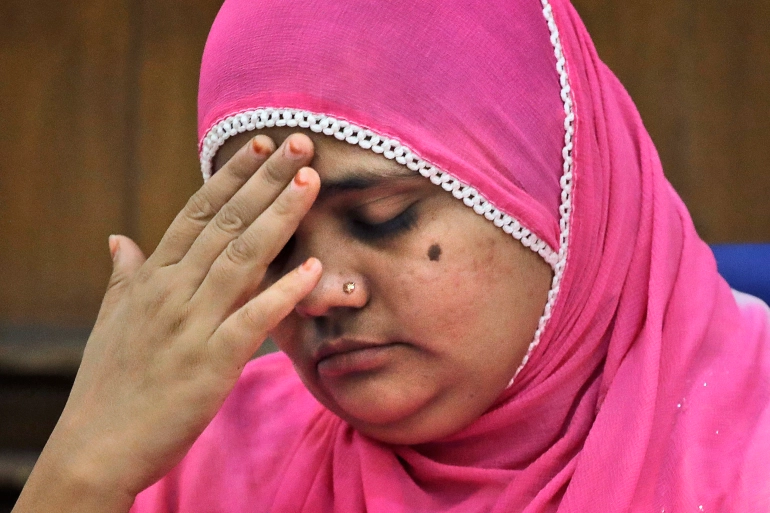

According to court records, the administration of Indian Prime Minister Narendra Modi authorised the release in August of 11 men who had been found guilty and given life sentences for gang-raping a Muslim lady and killing members of her family in the 2002 Gujarat religious riots.
Legal blog The Leaflet posted the permission letter from India’s home ministry, which is run by close Modi ally Amit Shah, on social media.
Outrage had been raised by the prisoners’ August release and the right-wing activists’ subsequent celebration of them. However, it was unclear if the central government had authorised their release at the time.
In 2002, when Modi was the chief minister of Gujarat state, Bilkis Bano, who is now in her forties, was viciously gang-raped when five months pregnant. Some of the greatest religious violence in the nation resulted in the deaths of about 2,000 individuals, most of them Muslims.
The Gujarat government claimed in an affidavit submitted to the Supreme Court that it decided to release the criminals because they had served 14 years in prison and had been well-behaved during that time.
The top court had asked the state government to share documents regarding the remission granted to the rapists following multiple pleas filed against their release.
According to court records cited by the New Delhi-based NDTV news station, the convicted men were given parole and furloughs for more than 1,000 days prior to their early release in August.
The Central Bureau of Investigation objected to the release of the prisoners, stating that there should be no leniency shown and that the crimes were “heinous, grave, and serious,” but the state government ultimately decided to free the prisoners, according to another document published by The Leaflet.
In the gang rape and murder case, 11 men received life sentences in prison in 2008. The violence also claimed the lives of fourteen other members of Bano’s family, including her three-year-old daughter, whose head was slammed to the ground by the assailants in Limkheda, Gujarat’s Dahod district.
In August, the same month that India celebrated 75 years of independence, the prisoners were freed.
