


Trump hits Indian economy once again
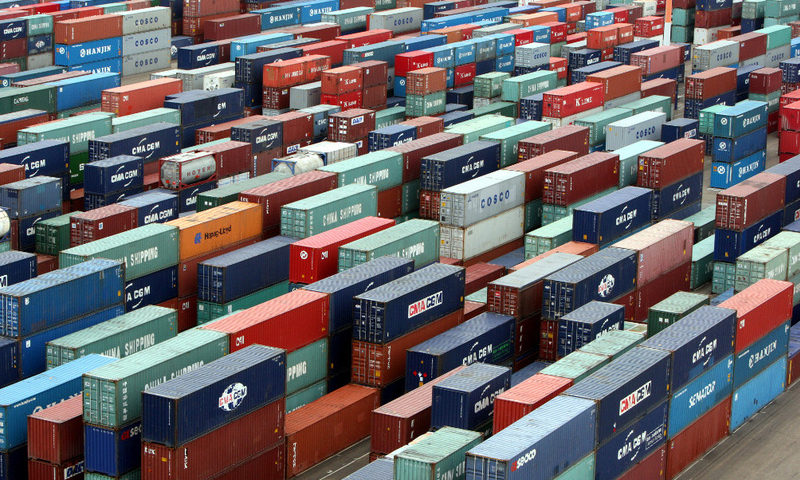
Indian shares tumbled in early trade on Tuesday, wiping out August’s modest gains, after the United States confirmed additional tariffs on Indian-origin goods. The Department of Homeland Security announced that Washington will impose an extra 25 per cent duty on all Indian exports starting Wednesday, dealing a blow to investor sentiment.
By mid-morning, the benchmark indices were in the red. The Nifty 50 dropped 0.7 per cent to 24,787 points, while the BSE Sensex fell to 81,028.63 points. This decline followed a nearly 3 per cent loss in July, adding pressure to a market already struggling for momentum.
According to reports, 15 of the 16 major sectors were trading lower, with mid-cap and small-cap indices each down about 1 per cent. Reliance Industries, the heavyweight stock in the Nifty 50, slid nearly 1 per cent. Financials also dropped 1.1 per cent, while pharmaceutical shares lost 1.4 per cent. Export-driven industries, including textiles, chemicals, and shrimp, bore the brunt of the sell-off as analysts warned they would be among the hardest hit by the new US trade measures.
The tariffs could see Indian goods face duties as high as 50 per cent, one of the steepest rates imposed by Washington. The move follows US President Donald Trump’s announcement earlier this month of punitive measures against India for boosting oil imports from Russia.
Pankaj Pandey, head of retail research at ICICI Securities, noted that while the development is sentimentally negative, it was not unexpected. “We do not expect a deeper correction from here as this is not shocking news,” he remarked. Pandey added that markets may soon shift toward a stock-specific focus, with domestic consumption-driven sectors potentially emerging stronger as export-oriented companies grapple with the tariff impact.
Interestingly, consumer stocks defied the trend and posted a modest 0.3 per cent gain, making them the only bright spot among the 16 tracked sectors. In contrast, Vodafone Idea plunged 10 per cent after reports indicated the government was unlikely to provide additional relief on its pending dues.
With the new tariffs in place, analysts expect volatility to persist, particularly for export-heavy sectors, as investors adjust to the heightened trade tensions between New Delhi and Washington.
