

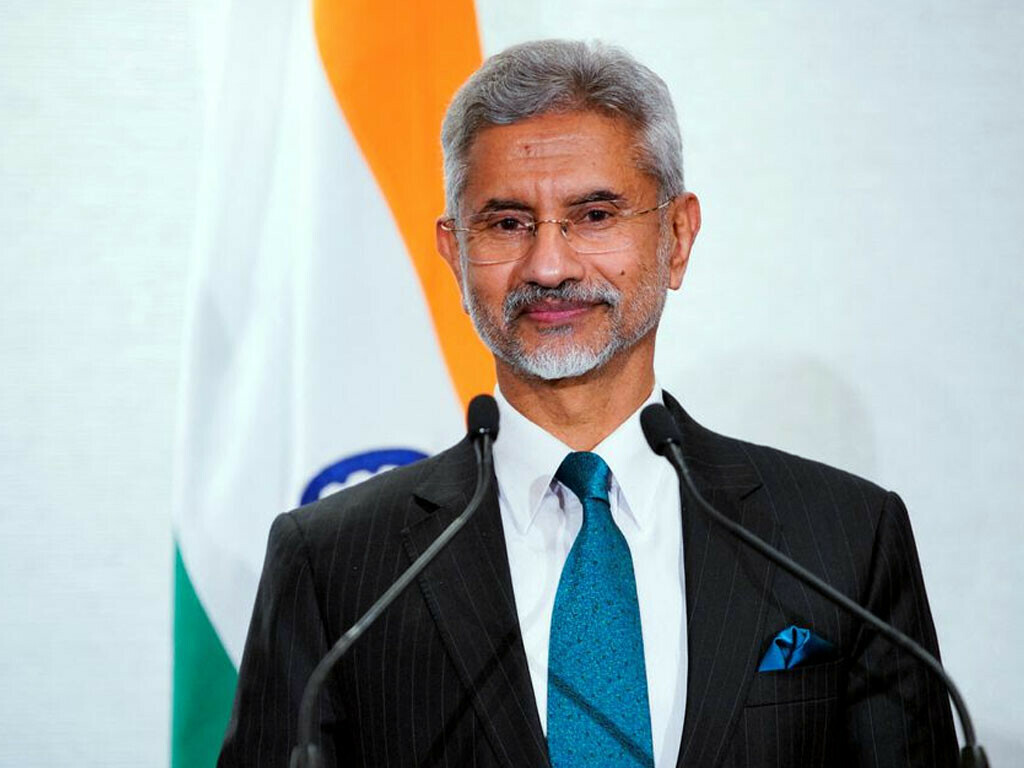

NEW YORK: In a candid revelation during an interview, India’s External Affairs Minister S. Jaishankar disclosed that the nation agreed to a ceasefire in May only after facing the threat of a major Pakistani military response and receiving intense diplomatic pressure from the United States.
According to Jaishankar, on the night of May 9, U.S. Vice President J.D. Vance personally contacted Prime Minister Modi, warning that failure to accept the ceasefire terms would prompt Pakistan to launch a large-scale offensive:
“He told us that if we did not agree to certain terms, Pakistan would launch a major assault on India,” Jaishankar recalled.
The following day, India reportedly launched retaliatory strikes after a large-scale Pakistani attack. U.S. Secretary of State Marco Rubio then reached out, indicating that Pakistan was prepared for dialogue.
Jaishankar also reaffirmed India’s accusation that Pakistan was behind the April 22 Pahalgam attack in Indian-administered Kashmir—an assault he described as a “turning point” that galvanized Indian sentiment toward decisive action.
“We decided we cannot allow terrorists to operate freely. The idea that terrorists can exist across the border and act with impunity had to be challenged — and that is exactly what we did,” he said.
Pakistan has denied any involvement in the Pahalgam attack. Yet on May 7, India retaliated by striking across the border, triggering a series of missile and drone exchanges between the nuclear-armed nations. A ceasefire, mediated by the U.S., was established on May 10.
U.S. President Donald Trump later claimed credit for brokering the ceasefire—a claim met with indirect acquiescence by Pakistani officials.
Jaishankar concluded with a stern warning:
“We will not allow nuclear blackmail to prevent us from defending ourselves… If something bad happens to us, we will cross the border and target those who harm us.”
