


India
Indian authorities have come under intense criticism after ordering a six-month pregnant Pakistani woman to leave the country within 24 hours, a move that has sparked widespread outrage and alarm among human rights activists and humanitarian organizations.
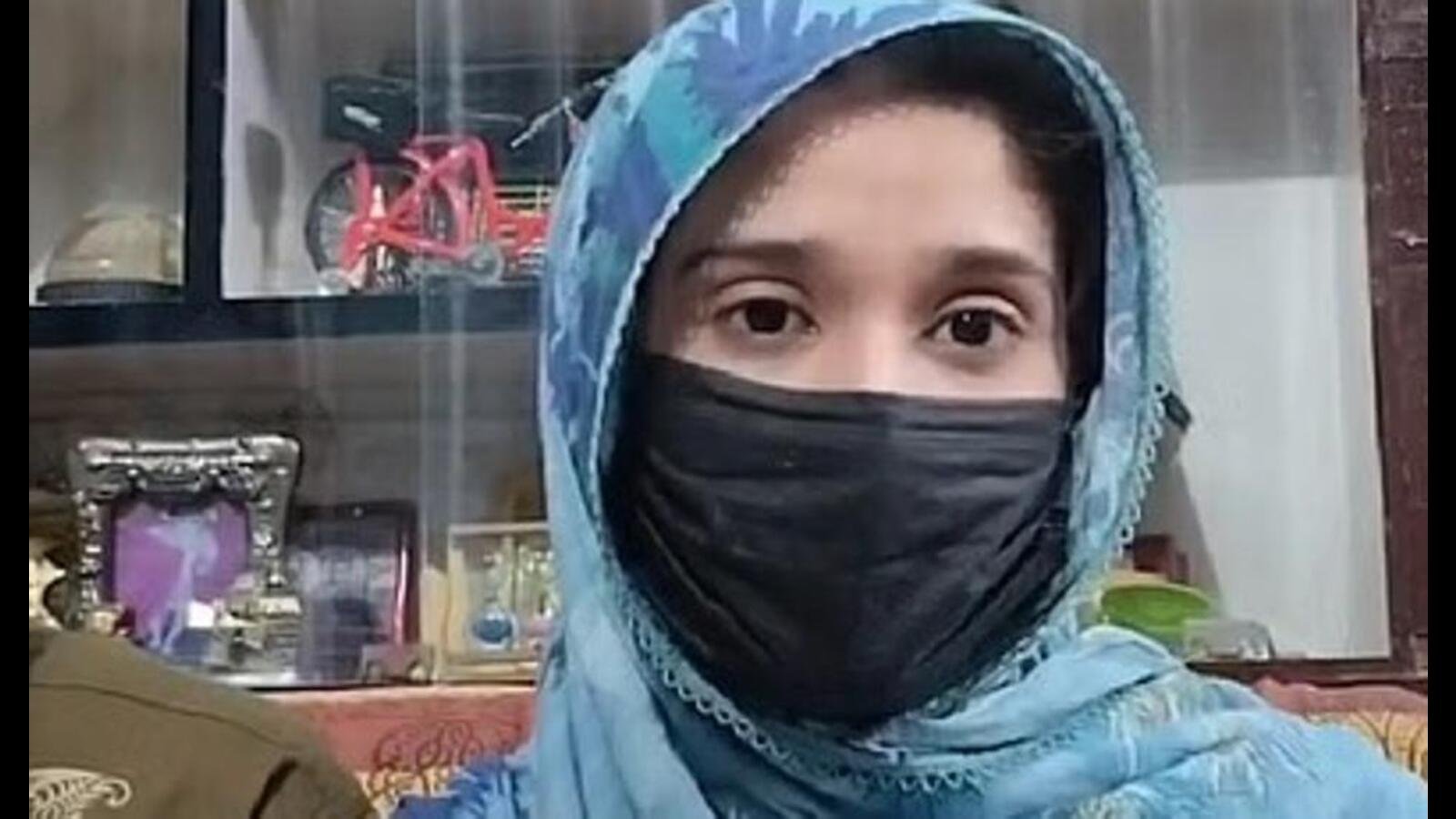
The woman, Maria from Gujranwala, Pakistan, is married to Sonu Masih, an Indian citizen from Gurdaspur. The couple was legally wed last year after completing all required documentation and fulfilling legal formalities under Indian law.
Despite this, Indian officials issued a sudden deportation order, allegedly citing national security concerns in the aftermath of the recent Pahalgam incident, which has significantly strained relations between the two countries.
The abrupt decision to expel Maria has been met with severe criticism. Maria, who is expecting the couple’s first child, has reportedly fallen seriously ill due to the stress and mental anguish triggered by the notice. She was admitted to a hospital as her family rushed to seek urgent medical and legal help.
“This is not just legally questionable, it is outright inhumane,” said a member of Maria’s family. “She is pregnant, married to an Indian citizen, and has followed the law at every step. How can a country treat a pregnant woman this way just because of her nationality?”
The couple had been eagerly preparing for the birth of their child, but those joyful plans have now been replaced with legal battles and emotional trauma. Their legal representatives are now working to file a challenge in Indian courts, arguing that the deportation order violates both legal and humanitarian principles. “This is a clear-cut case of discrimination based on nationality,” said the family’s lawyer. “Our immediate goal is to secure a stay on the deportation and allow Maria to continue her pregnancy safely in India.”
This case comes shortly after another cross-border humanitarian situation made headlines. Ayan, a 16-year-old boy from Karachi who was paralyzed after being shot, returned to Pakistan after undergoing spinal treatment in India.
While his medical trip was made possible by months of savings and hope, Ayan’s treatment did not yield the long-term recovery the family had prayed for. Adding to their distress, his mother remained in India due to her Indian citizenship, separating the family during a deeply emotional time.
These back-to-back cases highlight the increasingly fraught and complicated nature of humanitarian issues amid geopolitical tensions. As Maria’s case proceeds to court, activists and legal experts are urging both India and Pakistan to prioritize compassion and legal due process, especially in cases involving health, family, and the well-being of vulnerable individuals.
