


Massive Bribery and Harsh Sentence Highlight Graft Crackdown
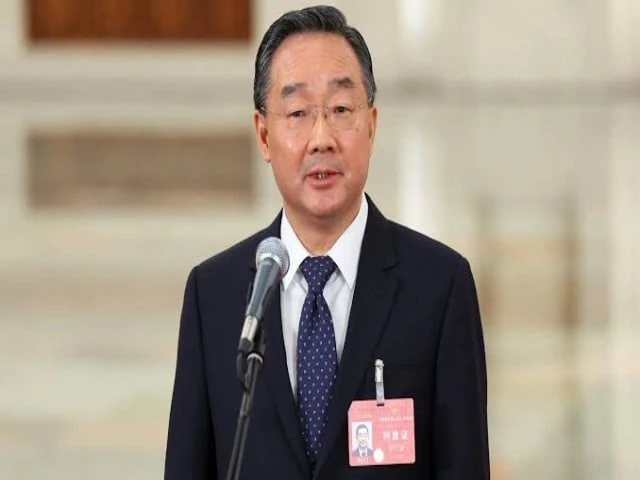
In a striking ruling, China’s former agricultural minister Tang Renjian was sentenced to death with a two‑year reprieve on Sunday, a court statement confirmed. The People’s Court of Changchun in Jilin province held that Tang accepted over 268 million yuan (approximately $38 million) in bribes between 2007 and 2024. His actions were judged to have inflicted “particularly severe losses” to state interests, the court said. Because Tang confessed, expressed remorse, and returned much of the illicit wealth, his death sentence was suspended for two years.
Tang’s downfall is part of President Xi Jinping’s sweeping anti‑graft campaign, which has toppled numerous high‑level officials. Supporters argue the campaign advances clean governance; critics warn it concentrates power and potentially masks political purges. His case comes shortly after notable graft probes of former defense ministers Li Shangfu and Wei Fenghe.
Previously, Tang held prominent roles: he served as governor of Gansu, vice chairman of Guangxi, and later Minister of Agriculture and Rural Affairs. His fall from grace also included expulsion from the Communist Party of China (CPC) and removal from public office.
Party Discipline, Political Implications, and Warning to Others
Tang was accused of using his positions to arrange business favors, manipulate project contracts, and influence job promotions. During the investigation, he was found to have “blindly made decisions” and interfered in judicial matters.
His sentencing sends a potent message: no official is untouchable under Xi’s vision of governance. The sentence underscores how Xi’s anti‑corruption efforts are legal and political tools. While supporters view these crackdowns as reform, critics point out that systemic causes of corruption — such as concentrated power and weak institutional checks — remain mostly unaddressed.
Tang’s sentence with reprieve means that if he behaves well during the two years, it may be commuted to life imprisonment under Chinese law.
His case joins a longer list of high‑ranking officials caught in Xi’s purge of corrupt “tigers.” The campaign has evolved into a central pillar of Xi’s rule, blending legalistic discipline with political control.
