

Energy Disruptions Threaten Worldwide Economic Stability
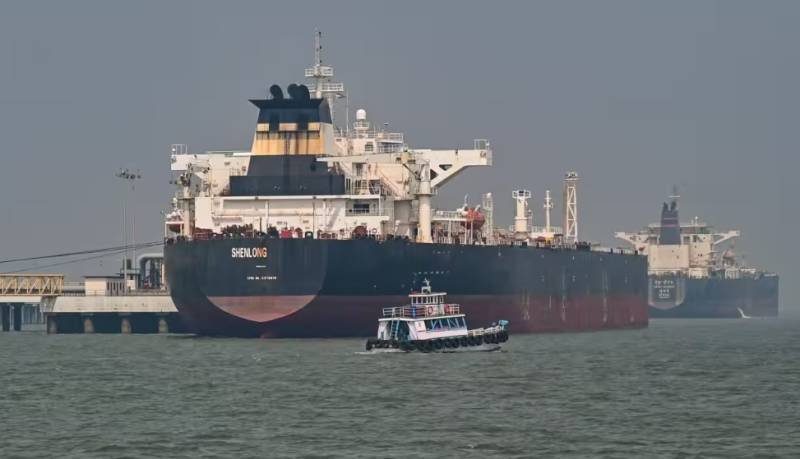
Washington: The International Monetary Fund has warned that continued conflict in the Middle East could push the global economy toward higher inflation and slower growth. In a recent assessment, the IMF stated that disruptions to oil, gas, and fertiliser supplies from the Gulf would affect economies across all continents.
According to the analysis, rising energy and food prices will weaken economic growth in 2026 and could leave long-term damage. Moreover, the warning followed remarks by Donald Trump, who threatened to target Iran’s energy infrastructure unless it agrees to a peace deal, intensifying geopolitical uncertainty.
The IMF further noted that governments with high debt levels may struggle to support households and businesses during the crisis. Consequently, financial constraints could limit policy responses in many countries.
Rising Prices, Market Pressure, and Global Impact
Meanwhile, the IMF highlighted that higher fossil fuel prices may benefit some exporting countries, including the United States. However, increasing costs for petrol, diesel, and food will reduce living standards globally. Businesses, therefore, may raise prices, prompting central banks to increase interest rates to control inflation.
Additionally, the report outlined multiple scenarios. A short conflict could trigger sharp price spikes, whereas a prolonged الأزمة may sustain high energy costs and strain import-dependent nations. Persistent tensions could also prolong inflation and uncertainty.
The IMF emphasized that nearly one-third of global fertiliser supplies pass through the Strait of Hormuz, making it a critical chokepoint. Projections by the Food and Agriculture Organization suggest global food prices could rise by up to 20% in early 2026.
In Europe, rising gas and electricity costs have revived concerns similar to the 2021–22 energy crisis, particularly in countries reliant on gas power.

