
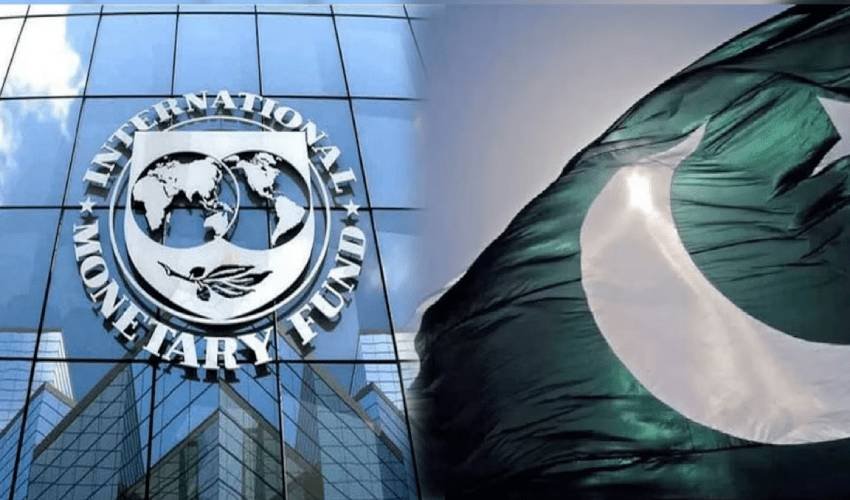

IMF Mission Focuses on Revenue Targets
The International Monetary Fund (IMF) is planning to send a mission to Pakistan next month to support finalizing the federal budget for FY2026-27. The discussions will focus heavily on revenue targets and tax reforms to strengthen the country’s fiscal position.
The current framework under consideration sets a Federal Board of Revenue (FBR) tax collection target of Rs. 15.564 trillion for the upcoming fiscal year. This ambitious benchmark is intended to guide Pakistan’s economic planning and fiscal discipline.
Officials involved in the budget process are also discussing a slightly lower FBR target of Rs. 15.232 trillion, citing concerns that the tax machinery may struggle to meet the ongoing fiscal year’s collection goal of Rs. 13.979 trillion.
Consultations with Businesses and Industry Leaders
Finance Minister Muhammad Aurangzeb has initiated talks with key stakeholders, including the Pakistan Business Council and the Overseas Investors Chamber of Commerce and Industry, to incorporate business and foreign investment perspectives into the budget. These consultations aim to align the budget with practical economic realities.
Meanwhile, the Minister of State for Finance and the Prime Minister’s Adviser on Industries met representatives from the All Pakistan Textile Mills Association (APTMA). Discussions focused on rising logistics and freight costs, which have been exacerbated by regional tensions and conflict-related disruptions. These cost pressures are seen as potentially affecting industrial competitiveness and export performance.
Tax Relief and Policy Measures Under Review
The FBR is pushing for meaningful tax relief measures in the next budget. Proposed reforms include a reduction in the Super Tax rate and lower tax burdens for the salaried class. These measures aim to support businesses and ease pressure on individuals.
Additionally, the government is considering asking the IMF to allow withdrawal of certain withholding taxes, particularly in areas where refund claims have accumulated. This step is expected to improve cash flow for businesses and strengthen overall tax administration.
The upcoming IMF mission is expected to play a critical role in shaping Pakistan’s fiscal policy. The talks will likely influence revenue targets, tax reforms, and strategies for maintaining fiscal stability while supporting economic growth.

