

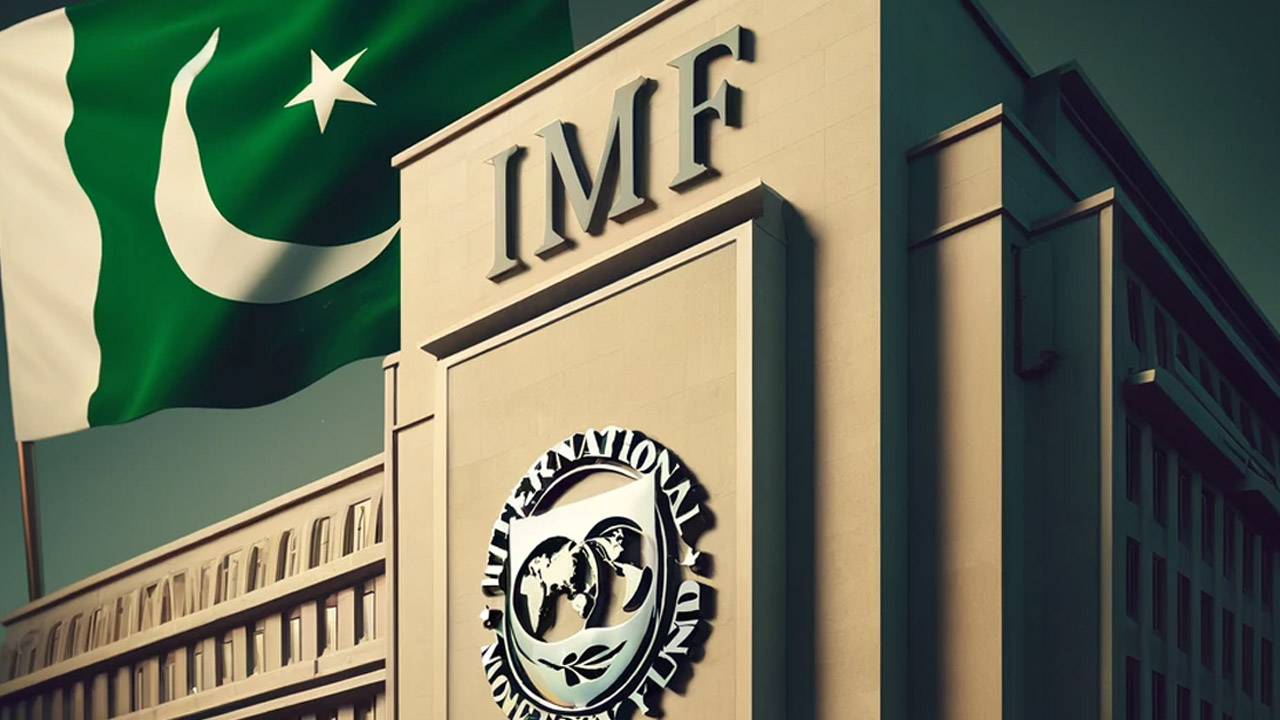

ISLAMABAD: The International Monetary Fund (IMF) Executive Board is scheduled to meet tomorrow in Washington, where it is widely expected to approve a $2.3 billion financial package for Pakistan.
The anticipated approval follows Pakistan’s successful implementation of most IMF conditions, paving the way for the disbursement of a $1 billion loan tranche along with $1.3 billion in climate financing.
Ahead of the meeting, the Ministry of Finance released a fiscal performance report for the first nine months (July–March) of the current fiscal year, presenting a mixed picture of the government’s financial management.
Primary Surplus Exceeds IMF Target
Pakistan reported a primary surplus of Rs3,468 billion — well above the IMF’s target of Rs2,700 billion. The surplus was largely attributed to tighter fiscal discipline and strong contributions from provincial governments.
The overall fiscal deficit for the period stood at Rs4,023 billion. However, after including a Rs1,053 billion combined surplus from provinces, the net deficit was reduced to Rs2,970 billion.
Punjab led the provinces with a surplus of Rs441 billion, followed by Sindh at Rs395 billion, Khyber Pakhtunkhwa at Rs111 billion, and Balochistan at Rs105 billion. Collectively, the provinces exceeded the IMF-mandated surplus target by Rs25 billion.
Revenue, Spending, and Debt Pressures
During the nine-month period, the federal government’s net revenue totaled Rs7,468 billion, while expenditures climbed to Rs11,491 billion. The ballooning cost of debt servicing remained a major strain on the budget, with interest payments reaching Rs6,438 billion — up Rs921 billion from the same period last year.
Defence spending amounted to Rs1,423 billion, while only Rs413 billion was allocated to federal development projects, highlighting the squeeze on discretionary spending amid soaring fixed costs.
Other major expenditures included Rs672 billion in pension payments and Rs558 billion in administrative costs. Additionally, Rs5,084 billion was transferred to the provinces from the divisible pool during this period.
The upcoming IMF approval is seen as a vital boost to Pakistan’s economic stability, especially as the country continues to grapple with mounting debt obligations and constrained development spending.
