
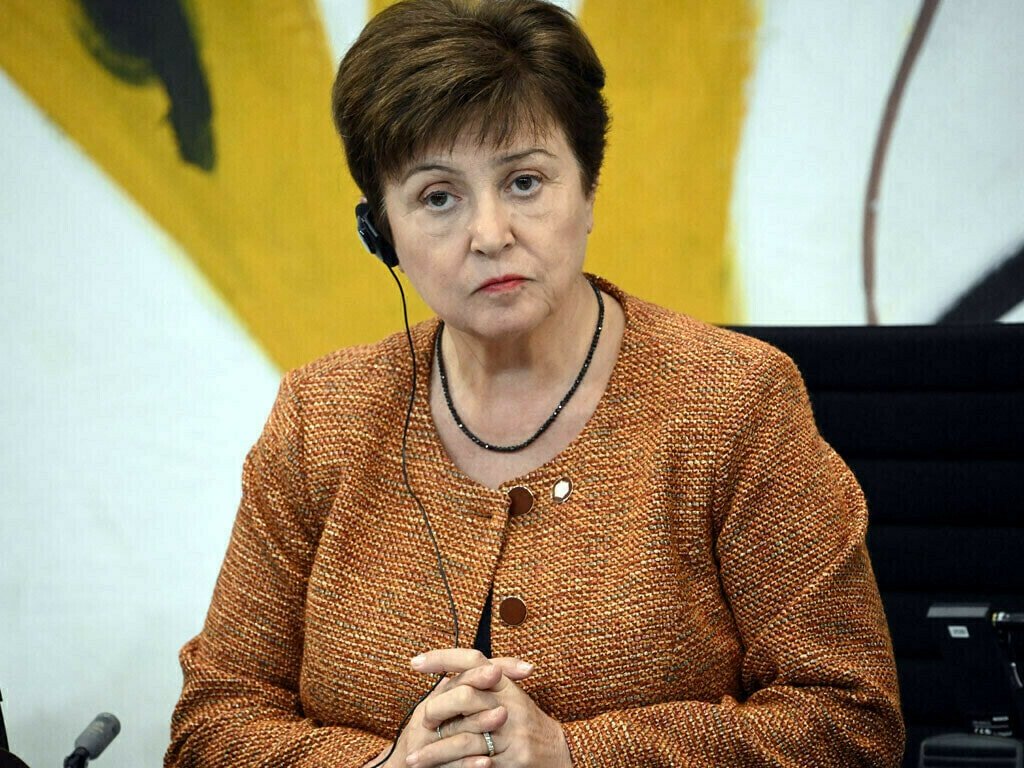

Global economic resilience is facing another serious test as conflict intensifies in the Middle East, according to the International Monetary Fund’s leadership. The warning comes as rising geopolitical tensions begin influencing markets and economic expectations worldwide.
IMF Managing Director Kristalina Georgieva said the ongoing conflict could create widespread economic consequences if it continues for a longer period. She explained that prolonged instability may influence energy prices, investor confidence, economic growth, and inflation levels simultaneously.
Moreover, policymakers across the world may face renewed pressure while managing already fragile economic recoveries. The warning highlights growing concern about how geopolitical shocks increasingly shape global economic conditions.
Conflict Sparks Market Volatility
Military strikes launched by the United States and Israel against Iran triggered a wave of retaliatory attacks across the Gulf region. As tensions escalated, global markets reacted immediately to uncertainty surrounding energy supplies and regional stability.
Oil prices surged sharply following the escalation, reflecting fears of disruptions in a resource-rich region central to global energy flows. Consequently, financial markets experienced rapid fluctuations as investors reassessed risks.
Market behavior over recent days has remained highly unpredictable. Sudden price movements have created anxiety among businesses and governments alike. Therefore, analysts continue monitoring developments closely for signs of stabilization.
Uncertainty Becoming the “New Normal”
Georgieva emphasized that the world economy now faces more frequent and unexpected shocks than in previous decades. She noted that uncertainty increasingly defines the global economic environment.
According to her assessment, economies may enter a prolonged period of instability marked by recurring disruptions. As a result, governments must prepare for continuous adjustments rather than temporary crises.
This evolving landscape challenges traditional economic planning. Policymakers must balance inflation control, growth targets, and financial stability while responding to geopolitical risks. Meanwhile, global cooperation becomes more critical during such uncertain periods.
Energy Security Concerns Rise Across Asia
Energy security remains a major concern, particularly for Asian economies that rely heavily on imported fuel supplies. Rising energy costs could increase production expenses and consumer prices across multiple sectors.
Georgieva highlighted how markets have fluctuated dramatically in recent days, comparing movements to a roller coaster. Such volatility complicates economic forecasting and investment planning.
Additionally, prolonged instability could weaken economic momentum in emerging markets. Higher energy bills may strain national budgets and reduce spending capacity.
Global Outlook Depends on Conflict Resolution
Economic stability now depends largely on how quickly tensions ease in the region. A faster resolution could calm markets and restore investor confidence. However, continued escalation may deepen economic uncertainty worldwide.
Georgieva stressed that ending the conflict sooner would benefit the entire global economy. Reduced geopolitical risk would help stabilize energy markets and support economic recovery efforts.
For now, governments and financial institutions remain watchful. The situation continues evolving, and economic responses will likely adapt alongside geopolitical developments.

