
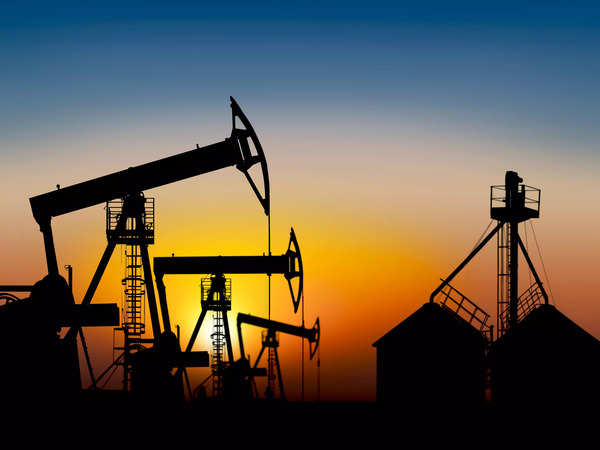

The International Energy Agency (IEA) has approved a historic release of strategic oil reserves. The decision aims to control rapidly rising crude oil prices in global markets.
The agency confirmed that 400 million barrels of oil will be released from emergency reserves. This is the largest oil stock release in the organization’s history.
Oil prices have surged recently due to supply disruptions linked to the conflict involving the United States, Israel, and Iran. The conflict has raised fears of supply shortages in global energy markets.
The emergency decision was taken to calm markets and ensure that oil remains available for countries facing potential supply disruptions.
Officials believe the move will help reduce pressure on energy prices and stabilize global markets in the coming weeks.
32 Member Countries Support Emergency Oil Release
The decision to release oil reserves was supported unanimously by all 32 member states of the International Energy Agency.
The coordinated move highlights the seriousness of the current energy crisis. It also reflects the collective effort by major energy-consuming countries to prevent a deeper oil supply shock.
This marks the sixth time the agency has activated emergency oil reserves since its creation in the 1970s. The organization was originally formed to respond to global energy supply disruptions.
IEA member countries maintain large emergency reserves of oil. These strategic stockpiles can be released when global markets face sudden supply shortages.
Officials say the current decision was necessary because the scale of the disruption could significantly affect energy markets worldwide.
Energy analysts believe the release of such a large volume of oil could help balance supply and demand in the short term.
However, they also note that long-term stability will depend on geopolitical developments in the Middle East.
Middle East Conflict Fuels Global Oil Price Surge
The sharp rise in oil prices has been largely driven by escalating tensions in the Middle East. Concerns are growing that attacks could disrupt oil exports from the region.
Iran has threatened to block or target key energy routes if the conflict intensifies. The situation has created uncertainty in global energy supply chains.
One of the most critical energy corridors in the region is the Strait of Hormuz. A significant portion of the world’s oil shipments passes through this narrow waterway.
Any disruption in this route can quickly affect global oil markets. Traders and governments are closely watching developments in the region.
The IEA hopes the emergency release of oil reserves will reduce panic in energy markets. It may also discourage speculative price spikes.
IEA Warns of Unprecedented Energy Market Challenges
Fatih Birol, Executive Director of the International Energy Agency, described the situation as one of the most serious energy challenges in decades.
He said the global oil market is facing unprecedented pressure. Supply disruptions, geopolitical tensions, and rising demand have combined to create a volatile situation.
Birol welcomed the collective response from member countries. He noted that the scale of the emergency action reflects the seriousness of the crisis.
According to him, the coordinated release demonstrates strong international cooperation in maintaining global energy stability.
Experts say such interventions can temporarily ease price pressures. However, they warn that continued conflict in the Middle East could keep oil markets volatile.
Energy traders, governments, and investors will continue monitoring geopolitical developments closely. The next few weeks could play a crucial role in determining the future direction of global oil prices.

