

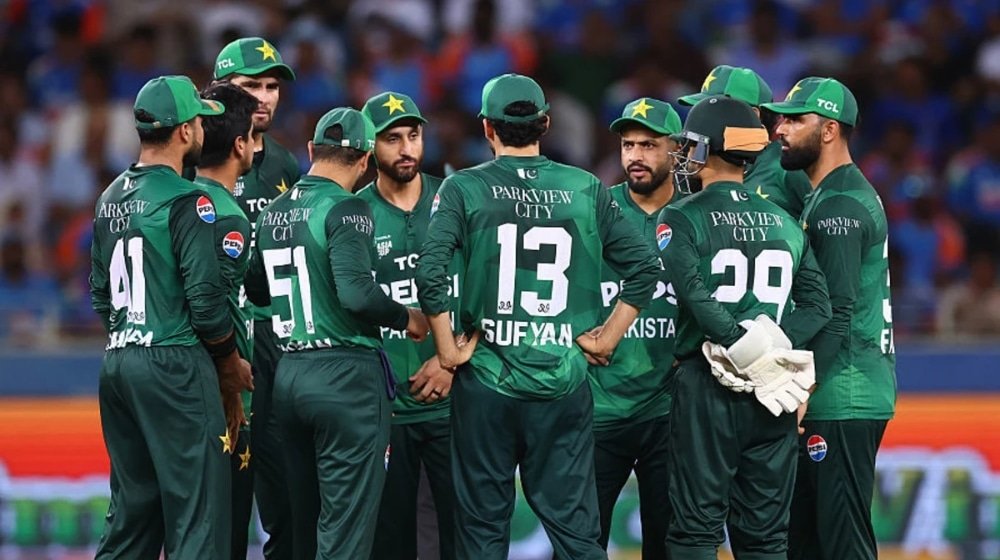

Pakistan’s decision to boycott its T20 World Cup clash against India has triggered a major debate in global cricket. The move has received strong backing from fans, former players, and administrators inside Pakistan. Many have described it as a long-overdue stand in a rivalry where politics and sport have remained deeply intertwined for years.
At the same time, the decision has placed the International Cricket Council (ICC) in an extremely difficult position. The world body now faces pressure from multiple sides, with any response likely to carry serious sporting, political, and financial consequences.
ICC Warns of Consequences but Seeks Balance
In its initial reaction, the ICC cautioned that Pakistan’s boycott could undermine the credibility of international cricket. The council warned that selective participation in a global event threatens the integrity of tournaments built on fairness and consistency.
If Pakistan maintains its stance, the ICC has several disciplinary options. These include issuing formal warnings, imposing financial penalties, stripping hosting rights, or even suspending participation in ICC events. However, officials have made it clear that expelling Pakistan from the T20 World Cup would be a last resort.
Historically, the ICC has avoided harsh punishments in politically sensitive disputes. Such actions often damage commercial value, weaken competition, and hurt players and fans more than administrators. In most past cases, the ICC has preferred behind-the-scenes negotiations, neutral venues, or schedule adjustments to defuse tensions.
This time, however, the stakes are much higher. An India-Pakistan match is the most valuable fixture in world cricket. It drives massive television audiences, advertising revenue, and sponsorship deals across continents.
A Symbolic Stand Amid Long-Running Tensions
For many Pakistanis, the boycott is not about losing two tournament points. It is about symbolism and self-respect. Former PCB chairman Najam Sethi described the decision as a necessary challenge to what he called India’s politicisation of cricket governance.
He said Pakistan should exercise its options in alliance with like-minded boards, including Bangladesh. His remarks reflected growing frustration within Pakistan over what many see as unequal treatment inside the ICC.
The ICC has confirmed it is still waiting for official communication from the PCB. In its statement, the council said it respected governments’ roles in national policy. However, it added that the decision was not in the best interest of the global game or cricket fans worldwide.
Government officials in Pakistan have linked the boycott to recent security developments. Prime Minister Shehbaz Sharif’s spokesperson pointed to deadly attacks in Balochistan that killed dozens of civilians and security personnel. He said the timing of the decision reflected national grief and security concerns.
Fans React as Debate Spreads Worldwide
Across Pakistan’s cities, many fans supported the move. Some described it as a response to what they perceive as India’s growing arrogance in international cricket. Others pointed to past precedents, including Bangladesh’s earlier withdrawal from a tournament over safety concerns.
On social media, the reaction has been divided. Supporters praised the decision as an act of dignity. Critics warned it could further isolate Pakistan within global cricket politics.
Former captain Shahid Afridi struck a balanced note. He said cricket should ideally bridge political divides. However, he added that the current situation presents a test for the ICC’s neutrality and fairness.
As support for the boycott grows, the ICC finds itself trapped between principles and profit. Any decision risks backlash. The coming days may determine not only the fate of one match, but also the future balance of power in international cricket.
