

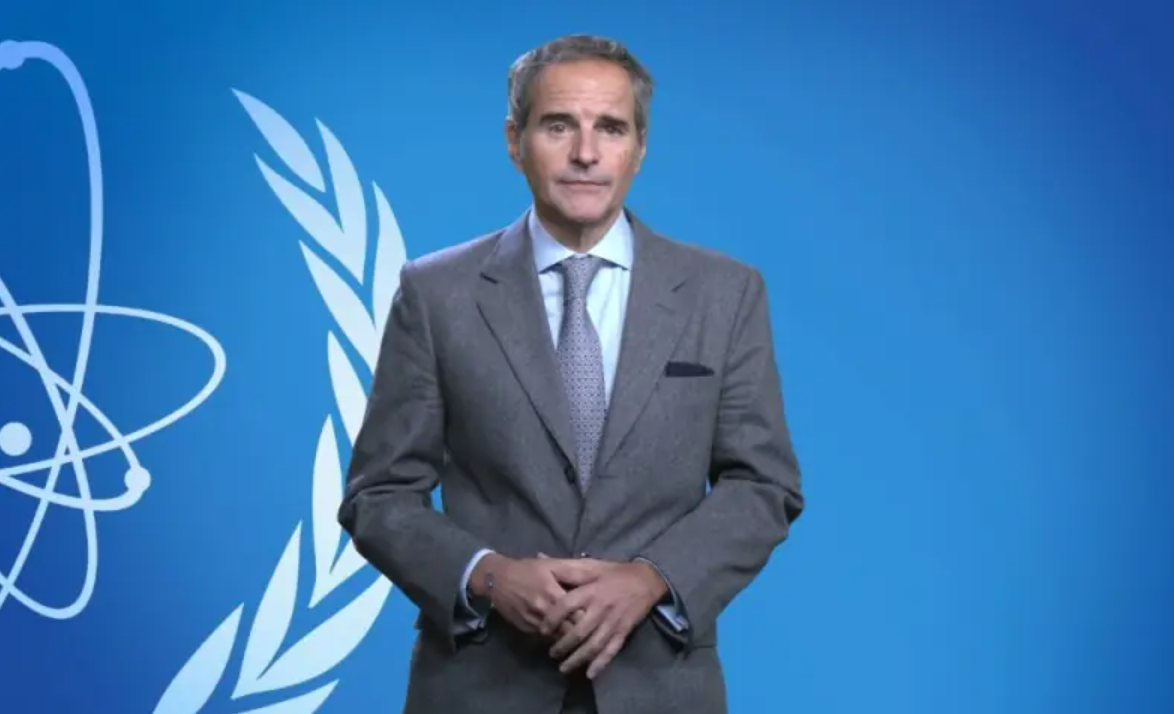

The International Atomic Energy Agency has praised Pakistan’s expanding efforts to combat cancer through its national nuclear health infrastructure. IAEA Director General Rafael Mariano Grossi highlighted Pakistan’s work during a recent video message focused on global cancer challenges. He noted that cancer remains a leading cause of death worldwide, with over ten million deaths recorded annually.
Grossi stated that more than 100,000 people lose their lives to cancer every year in Pakistan alone. Moreover, he warned that cancer-related deaths could rise by 75 percent globally by 2050. Developing countries, he stressed, will bear the heaviest burden without timely intervention and sustained investment.
PAEC’s Growing Role in Cancer Care
While addressing Pakistan’s response, Grossi commended the Pakistan Atomic Energy Commission for its extensive healthcare contributions. He noted that PAEC currently operates 21 cancer hospitals across the country. These facilities provide diagnosis, treatment, and follow-up care to patients from diverse regions.
In addition, PAEC has trained a large number of medical professionals in oncology-related disciplines. This focus on human capacity, Grossi said, strengthens long-term sustainability in cancer care delivery. He also congratulated Pakistan on establishing the Institute of Nuclear Medicine, Oncology and Radiotherapy, widely known as Nori.
Technology Backed by Skilled Expertise
Grossi emphasized that advanced medical technology alone cannot save lives without trained specialists. Therefore, education and professional training remain central to effective cancer treatment. He linked this approach to the IAEA’s “Rays of Hope” initiative, which supports radiotherapy access worldwide.
Through this initiative, the agency provides radiotherapy machines, supports research, and facilitates training programs. Pakistan, he noted, has actively benefited from such cooperation. During his visit, Grossi observed diagnostic and treatment facilities operating under international safety standards.
Expanding Cooperation with the IAEA
Recalling discussions in Pakistan, Grossi said he explored ways to expand cooperation in peaceful nuclear applications. He met Prime Minister Shehbaz Sharif to discuss broader collaboration in health and medical technology. He also inaugurated Pakistan’s first CyberKnife facility, marking a significant milestone in cancer treatment.
Grossi reaffirmed his commitment to widening access to safe radiotherapy and diagnostic imaging services in Pakistan. He described Pakistan’s progress as encouraging amid a global cancer crisis. According to him, well-managed institutions and trained professionals turn technology into a lifesaving tool.
Looking Ahead
Concluding his remarks, Grossi congratulated Pakistan on this achievement in cancer care development. He said the IAEA looks forward to continuing its partnership with Pakistan in addressing cancer challenges. The recognition reflects Pakistan’s growing role in nuclear medicine and public health advancement.
