


Tax Evasion
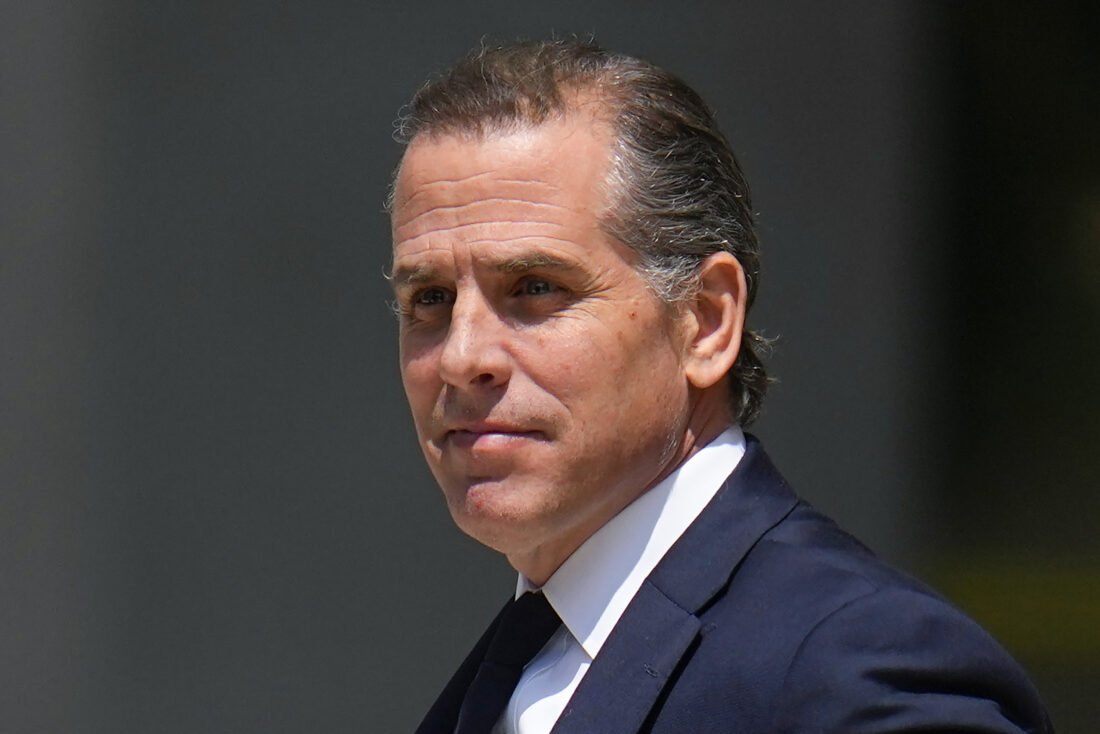
Hunter Biden, son of President Joe Biden, faces renewed legal challenges as he was charged with nine counts of tax evasion, marking the second set of charges this year from the special counsel investigating his personal and financial affairs.
The 56-page indictment, filed in a US district court in California, alleges that Hunter Biden engaged in a four-year scheme to evade at least $1.4 million in self-assessed federal taxes for the years 2016 through 2019. Special counsel David Weiss brought three felony and six misdemeanor tax offenses against Hunter Biden, potentially leading to a maximum prison sentence of 17 years if convicted.
The indictment outlines Hunter Biden’s lavish spending on “drugs, escorts and girlfriends, luxury hotels and rental properties, exotic cars, clothing, and other items of a personal nature, in short, everything but his taxes.” The expenditures reportedly included over $70,000 on drug rehabilitation. The Justice Department has emphasized that the investigation into Hunter Biden’s financial affairs is ongoing.
The charges stem from Hunter Biden’s earnings while serving on the boards of Burisma, a Ukrainian industrial conglomerate, and a Chinese private equity fund. Weiss, leading the investigation, was appointed Delaware US attorney by former President Donald Trump and later designated special counsel by Attorney General Merrick Garland in August.
Hunter Biden previously pleaded not guilty in October to charges in Delaware related to allegations of lying about his drug use while purchasing a handgun. The latest tax evasion charges come after a previous proposed plea deal in Delaware fell apart, leading to renewed legal scrutiny.
Former President Trump criticized the initial plea deal, suggesting it amounted to favorable treatment for the president’s son. The unfolding legal proceedings add complexity to the legal landscape surrounding Hunter Biden, with potential repercussions for the Biden administration.
