

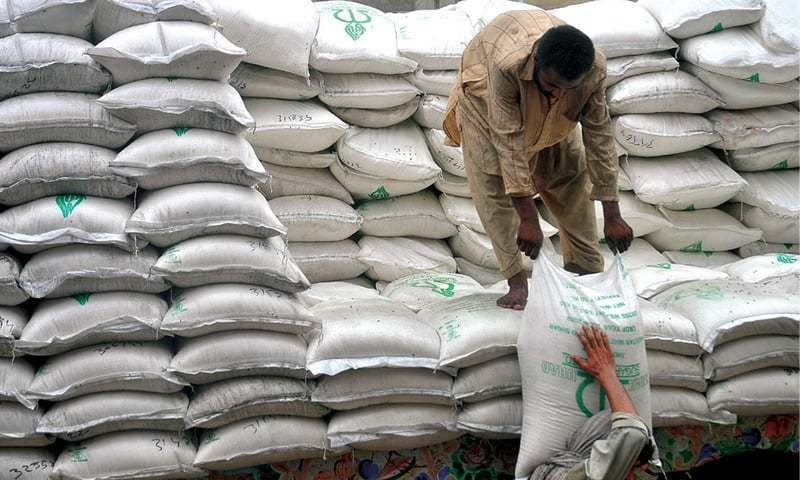

ISLAMABAD: Pakistan is once again grappling with a severe sugar crisis, as prices have surged to as high as Rs200 per kilogram in several cities. The crisis follows a controversial cycle of export approvals and hasty import decisions by the government that have raised serious questions about policy planning and accountability.
Earlier this year, the government permitted the export of 75,000 metric tons of sugar in January, citing a decline in domestic prices, which had reportedly dropped from the official rate of Rs140 to as low as Rs120 per kilogram. However, that decision now appears to have backfired. Sugar prices have since spiked dramatically, prompting concerns over who benefited from the exports and who is now paying the price.
City-Wise Price Surge:
- Lahore: Prices jumped by Rs18 to Rs20 per kilogram. A 50kg bag now costs Rs9,100, with wholesale prices at Rs182 and retail rates reaching up to Rs200.
- Islamabad/Rawalpindi: Retail prices range between Rs180 and Rs190 per kg.
- Karachi: Sugar is selling between Rs185 and Rs190 per kg.
- Hyderabad: Prices have peaked at Rs200 per kg — the highest recorded.
- Quetta: Rates vary between Rs190 and Rs195 per kg.
- Faisalabad and Peshawar: Sugar is being sold at around Rs190 per kg.
Despite a reported sugar production of 6.4 million metric tons in the last fiscal year, the domestic market now faces supply shortages, forcing the government to rely on imports — a development that many analysts describe as a policy failure.
Government Struggles to Stabilize Market
In an attempt to control the spiraling prices, the government raised the official sugar rate to Rs164 per kilogram. However, the measure has failed to restore price stability. Critics argue that the earlier export decision, made amid fluctuating domestic prices, has created an artificial shortage, benefiting select stakeholders at the public’s expense.
Cabinet Approves Sugar Imports
On Tuesday, the federal cabinet approved the import of 500,000 metric tons of sugar to stabilize the market, according to a statement by the Ministry of National Food Security and Research. The sugar will be imported through government channels, with procurement arrangements already underway.
The decision was finalized following a high-level meeting chaired by Deputy Prime Minister and Foreign Minister Ishaq Dar. Officials stated that the measure aims to ensure consumer protection and prevent further economic disruption caused by the sugar shortage.
With imports now underway, it remains to be seen whether the move will successfully curb the crisis — or if deeper structural reforms in agricultural policy and market regulation are needed to prevent future shocks.
