

The 2026 conflict in Iran has become the most significant military test since the Gulf War. Lessons from this war are being closely observed worldwide. However, many key institutions are likely to misread them.
Over four weeks into Operation Epic Fury, Iran has launched more than 500 ballistic missiles and over 2,000 drones across the region. Oil prices are approaching $200 per barrel. The Strait of Hormuz is effectively closed to unapproved shipping.
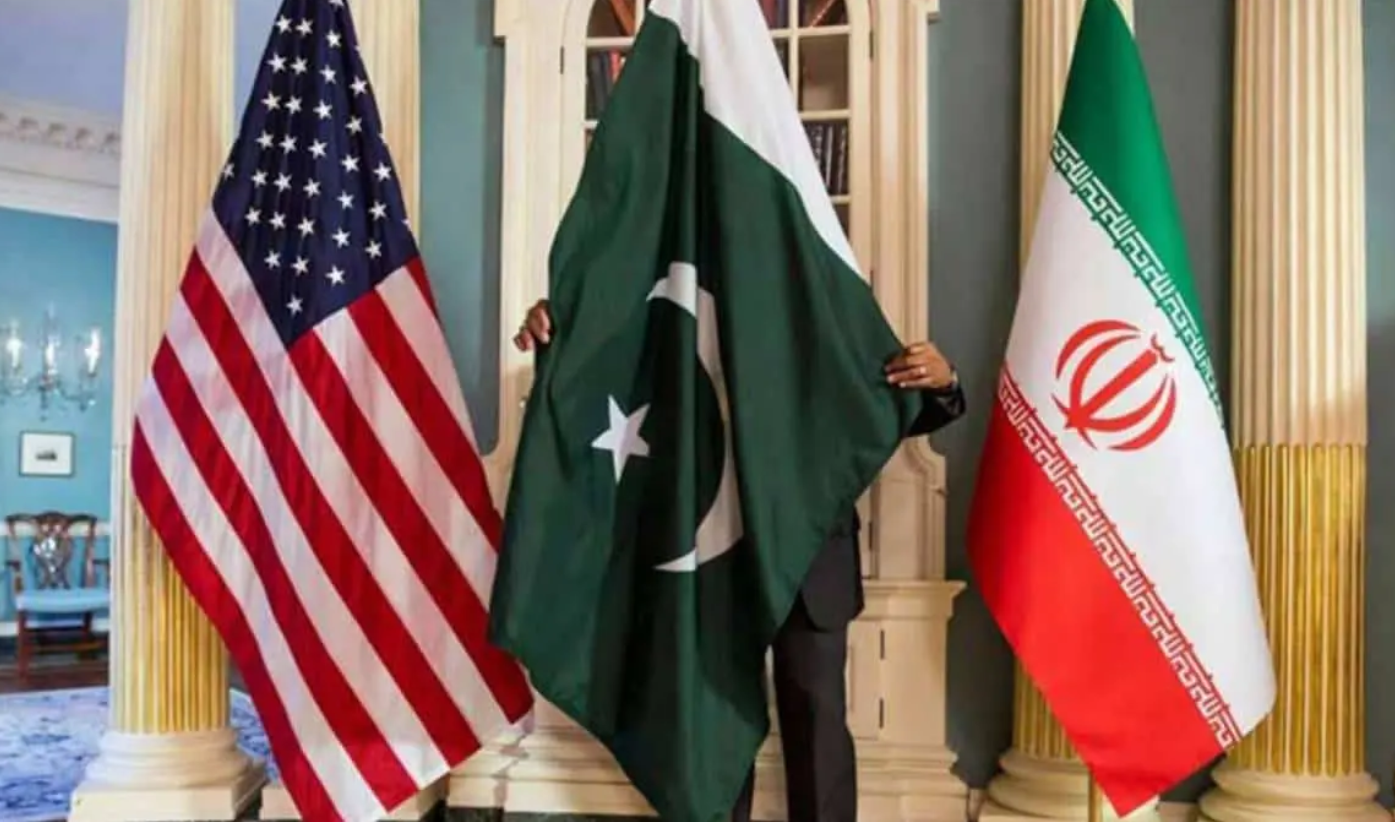
Meanwhile, Pakistan is no longer just a bystander. It is transmitting ceasefire proposals between Washington and Tehran. Islamabad is offering to host talks. This positions Pakistan at the centre of a critical diplomatic moment in the Middle East.
The pressing question is whether Pakistan can apply the same agility in defence procurement as it has in diplomacy.
The Economics of Modern Warfare
The military-industrial complex has long shaped global conflict. Today, Western defence contractors, procurement agencies, and strategic consultancies dominate high-cost, air-superiority-focused warfare. They sell both platforms and an entire theory of war.
Yet Iran’s recent operations reveal a key mismatch. For instance, the US produced only 22 Tomahawk cruise missiles in FY2025. In contrast, Iran’s Shahed-136 drones cost between $20,000 and $80,000 per unit. They were produced at rates exceeding 400 per month at Russia’s Alabuga facility.
In the first week of conflict, drones accounted for roughly 66% of Iran’s strikes. A single UAE target absorbed 1,440 drones and 261 missiles.
The cost disparity is stark. A Patriot PAC-3 interceptor costs $3-4 million. The Shahed drone averages $50,000 — one-seventieth the interceptor’s price. Ukrainian drones cost $2,000–$4,000, with over 100,000 produced in 2025. When the US deployed its reverse-engineered Shahed clone, the lesson was clear: cheaper adversary weapons are highly effective.
Lessons from May 2025
The India-Pakistan conflict of May 2025 validated this logic in South Asia. Operation Sindoor involved 114 aircraft in beyond-visual-range combat. Pakistani J-10Cs successfully engaged numerically superior forces.
Chinese PL-15 missiles outperformed Western equivalents. Pakistan’s No. 15 Squadron demonstrated tactical brilliance, neutralizing more expensive platforms. This proved that strategic outcomes depend on capability, not cost alone.
The Dependency Trap
Pakistan’s F-16 fleet remains operationally capable but comes with strategic strings attached. The 2025 $686 million Foreign Military Sales package highlights this dependency. Only a small fraction went to new capabilities. Most funds supported sustainment and upgrades, maintaining reliance on the United States.
By contrast, the same investment could purchase thousands of attack or defensive drones or a squadron of JF-17 Block III fighters. Pakistan’s institutional OODA loop must now prioritize autonomous capability over costly dependence.
Strategic Enablers
The May 2025 conflict also highlighted the power of architecture over direct force. Intelligence, surveillance, and reconnaissance (ISR) networks, combined with superior engagement envelopes, can transform a partner’s combat effectiveness.
China provides Pakistan with advanced ISR support and missile technology. Chinese PL-15 missiles and upcoming J-35 stealth jets enhance Pakistan’s lethality without compromising sovereignty. This contrasts sharply with Western models, which embed strategic dependency into every transaction.
The Gulf Opportunity
The Iran war exposes a major vulnerability in Gulf security. Pakistan’s mediation has already created diplomatic leverage. Islamabad transmitted a 15-point US ceasefire plan to Tehran and offered to host talks. The mediation window is narrow.
Iran’s five-point counterproposal includes halting assassinations, guarantees against aggression, war reparations, cessation of hostilities, and sovereignty over the Strait of Hormuz. Pakistan’s role is translating these demands into actionable dialogue without endorsing either side.
Global forces are converging rapidly. The US has dispatched nearly 7,000 ground troops to the region. Once deployed, diplomatic space shrinks. Pakistan’s ability to act quickly is essential.
The Strategic Dividend
Pakistan’s negotiations carry additional weight through its relationship with China. A settlement brokered in Islamabad with Beijing’s backing combines diplomatic influence of over two billion people. This strengthens Pakistan’s position in Gulf security, reshapes economic relationships, and establishes it as a regional security provider rather than a dependency.
Rethinking Defence Logic
The convergence of India and Israel, combined with Middle Eastern realignments, presents new challenges. Pakistan must ask whether its threats are conventional or asymmetric.
Past conflicts show that conventional platforms alone cannot meet Pakistan’s primary threats. Asymmetric strategies, including drone production at scale, electronic warfare, indigenous defence manufacturing, and doctrinal shifts, are necessary.
The May 2025 conflict proved the concept. The 2026 Iran war provides strategic evidence. Pakistan’s March 2026 mediation demonstrates diplomatic readiness. Now, Pakistan must act on all three fronts.

