

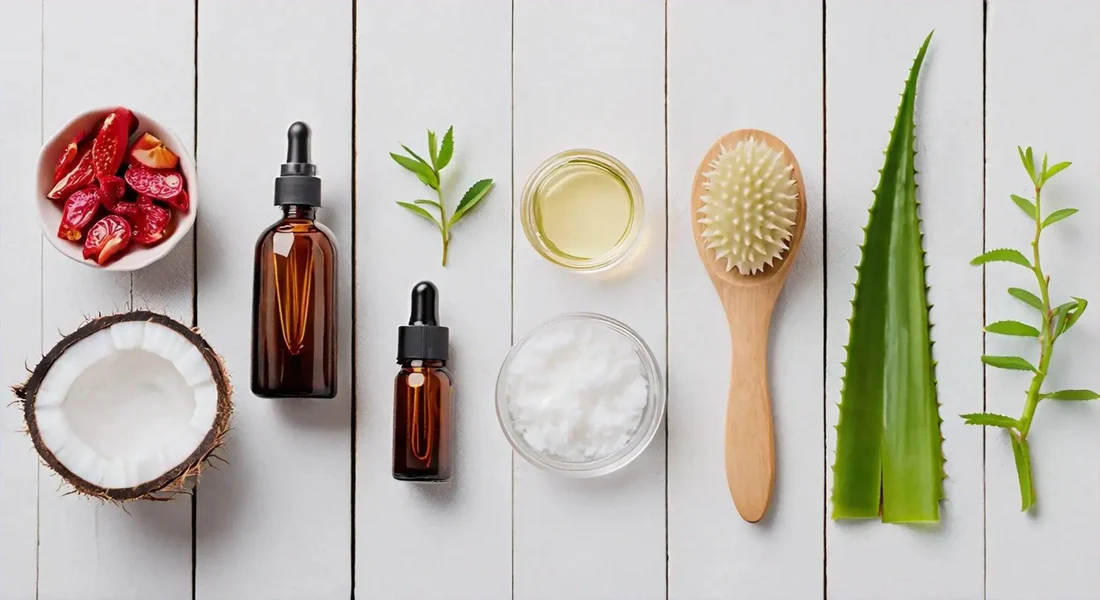

Skincare, once limited to washing the face with soap and applying a shared cold cream, has transformed into an elaborate lifestyle choice. What was once basic personal hygiene has evolved into multi-step routines involving cleansers, toners, serums, acids, retinols, oils, sunscreens and even in-clinic procedures. For many women today, skincare represents self-care, confidence and social currency rather than mere necessity.
Conversations with mothers and daughters highlight this stark generational shift. Many older women recall growing up with minimal routines, relying on soap, home remedies like Multani Mitti, raw milk or tomato rubs, and a single cream such as Tibet Snow or Nivea. Skincare was simple, affordable and free from pressure.
In contrast, younger women today follow carefully curated routines, often influenced by dermatology trends, social media and global beauty movements. Daily sunscreen use, active serums like niacinamide or vitamin C, and even cosmetic procedures such as laser treatments, carbon peels and microneedling have become common.
Social media algorithms and influencer marketing have played a central role in this shift. Skincare content is omnipresent, encouraging consumers to chase “perfect” skin through expensive products and endless routines.
According to Statista, the global skincare market is projected to generate $198.35 billion in revenue in 2025, reflecting how powerful this industry has become. Korean skincare, with its promise of “glass skin,” has further fueled the obsession, especially in countries where fair and flawless skin is still tied to beauty standards.
However, this boom has also created unspoken pressure. Women often feel compelled to look polished and youthful at all times, regardless of affordability.
Experts and entrepreneurs point out that this pressure can harm self-worth, especially for those who cannot or choose not to keep up. While healthy habits like hydration, exercise and basic skincare are accessible to all, excessive routines can add financial and emotional stress.
Ultimately, skincare should be a personal choice. If a detailed routine brings joy, it can be empowering. But if it fuels anxiety or comparison, simplicity and self-acceptance remain just as valid.
