
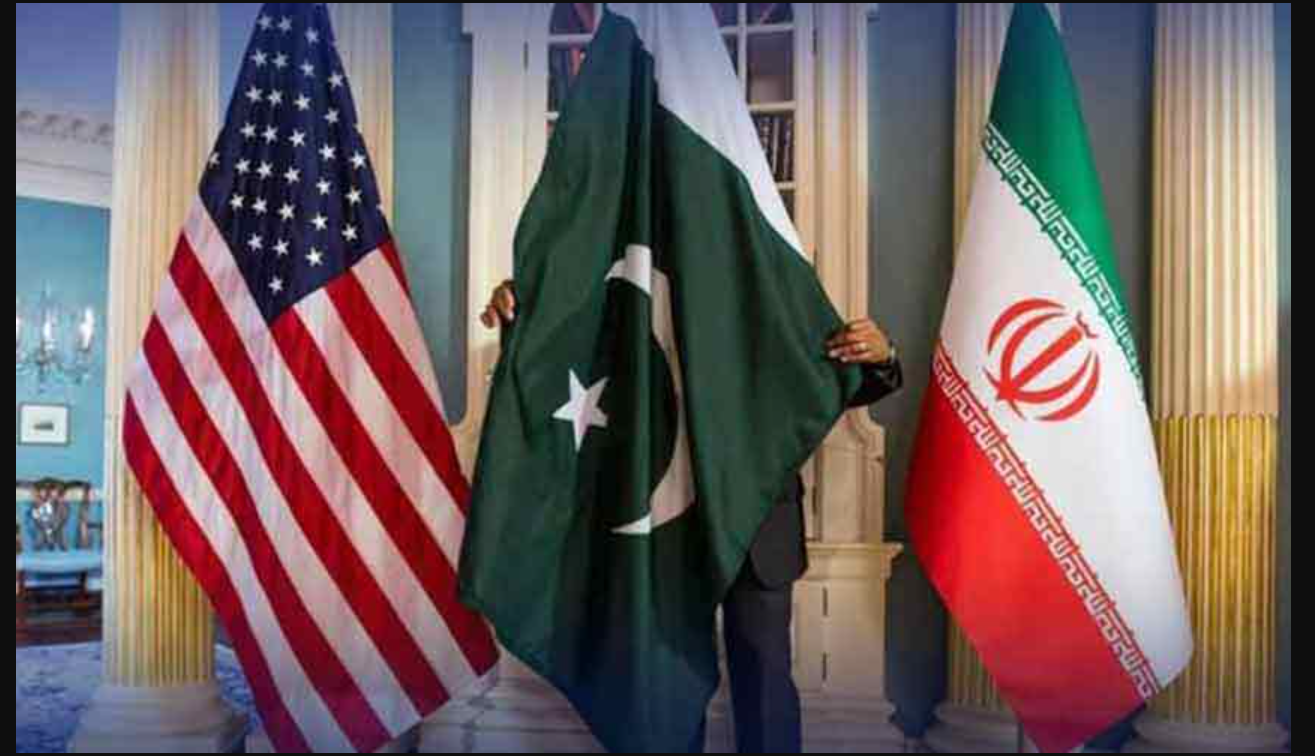

A two-week ceasefire between the United States and Iran followed weeks of intense diplomatic engagement behind closed doors.
Observers widely viewed the agreement as a significant diplomatic development shaped by Pakistan’s mediation efforts.
Soon after hostilities began on February 28, Islamabad activated diplomatic channels across several global capitals.
At the same time, Pakistan maintained public neutrality while privately encouraging dialogue between both sides.
Pakistan occupies a rare diplomatic position.
It represents Iran’s interests in Washington while maintaining working relations with the United States.
Therefore, Islamabad became a natural intermediary between two countries lacking direct diplomatic ties.
This institutional access allowed Pakistan to communicate messages quickly and reduce misunderstandings during a tense regional crisis.
Strategic Motivations Behind Pakistan’s Mediation
Analysts believe Pakistan had strong incentives to prevent escalation.
Regional instability could directly affect Pakistan’s security and economic environment.
Consequently, Islamabad aimed to avoid being drawn into a wider conflict.
Experts also noted Pakistan’s strong relationships with multiple stakeholders.
These include cooperation with Washington, ongoing engagement with Tehran, and coordination with regional partners.
Additionally, China’s influence with Iran strengthened diplomatic momentum surrounding the mediation effort.
Pakistan’s involvement demonstrated its intention to project diplomatic relevance on the global stage.
As a result, observers described the effort as one of Islamabad’s most notable diplomatic achievements in recent years.
Multilateral Consultations in Islamabad
A visible phase of diplomacy occurred in late March when foreign ministers from several regional countries met in Islamabad.
The discussions focused on preventing further escalation and identifying pathways toward negotiations.
Pakistan’s foreign minister led consultations aimed at building consensus for dialogue between Washington and Tehran.
Initially, expectations centered on immediate negotiations hosted in Islamabad.
However, when talks did not begin quickly, some observers assumed progress had stalled.
Instead, Pakistan intensified diplomatic outreach.
Officials expanded communication with world leaders and policymakers across major capitals and regional organizations.
The goal remained clear: secure a limited ceasefire as the first step toward broader negotiations.
Coordinated Civilian and Military Engagement
Pakistan’s diplomatic campaign involved both civilian and military leadership.
Senior officials engaged counterparts internationally to reinforce mediation efforts.
Simultaneously, Pakistani representatives maintained communication with Iranian authorities to keep dialogue channels open.
These contacts proved crucial because direct exchanges between Washington and Tehran remained highly restricted.
By early April, Islamabad circulated a structured ceasefire proposal.
The framework called for an immediate halt to hostilities followed by a defined diplomatic window for negotiations.
Importantly, the plan included confidence-building measures designed to reduce tensions around sensitive maritime routes.
Growing Momentum Toward Agreement
Despite initial disagreements, mounting military pressure encouraged compromise among stakeholders.
Fears of a broader regional conflict increased urgency for diplomatic solutions.
Gradually, Pakistan’s proposal gained international support.
Diplomatic engagement across multiple capitals helped align expectations and narrow differences.
On April 7, both sides agreed to observe a two-week ceasefire.
The decision halted major offensive operations and opened space for direct or proximity talks.
Officials from several countries credited Pakistan’s sustained engagement as a decisive factor in breaking the deadlock.
Why Pakistan’s Role Proved Effective
Islamabad’s effectiveness stemmed from balanced relations with competing regional actors.
Pakistan maintains ties with the United States while sharing a long border and cooperative engagement with Iran.
Moreover, its relationships with Saudi Arabia, Turkey, and other regional partners helped build broader diplomatic backing.
This network allowed Pakistan to encourage de-escalation without appearing aligned with any single side.
Such neutrality strengthened trust and allowed sensitive communication to continue during critical moments.
The Road Ahead for Regional Diplomacy
The next phase of discussions is expected to explore a more durable political arrangement.
Delegations plan to examine frameworks that could extend the temporary truce into longer-term stability.
Success will depend on progress achieved during the limited diplomatic window created by the ceasefire.
Nevertheless, the agreement already marks a meaningful diplomatic moment for Islamabad.
Pakistan demonstrated that consistent engagement and quiet diplomacy can influence complex international crises.
Furthermore, the effort highlighted how middle powers can shape outcomes through dialogue rather than confrontation.
Ultimately, the ceasefire reflects a broader lesson. Persistent diplomacy, even when largely unseen, can alter the trajectory of fast-moving regional conflicts and open pathways toward peace.

