

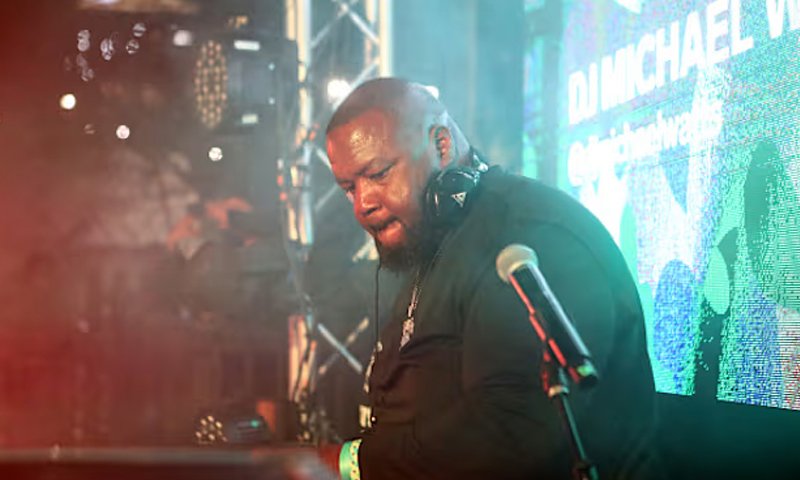

Houston hip-hop pioneer DJ Michael “5000” Watts, a central figure in shaping and popularizing the city’s iconic “chopped and screwed” sound, has passed away.
Watts’ death was confirmed Friday in a statement released by Swishahouse Records, the influential label he founded. According to the statement, Watts died at Memorial Hermann Hospital in The Woodlands.
“Michael ‘5000’ Watts was more than a founder — he was a movement,” the statement read. “As the creator of Swishahouse Records, he helped define the sound, spirit, and global influence of Houston hip-hop. Watts expanded on Houston’s chopped and screwed legacy, transforming mixtape culture into a worldwide phenomenon and giving a platform to voices that would go on to shape an era.”
Born and raised in Houston, Watts began his career in the late 1980s in the city’s Homestead neighborhood. He first made a name for himself by producing and distributing mixtapes that quickly circulated throughout Houston, becoming staples in cars, corner stores, and neighborhoods across the city.
During the 1990s, Watts began experimenting with slower tempos and manipulated vocals, helping refine the “chopped and screwed” style — a sound that would eventually become synonymous with Houston’s underground hip-hop scene. The genre’s signature slowed beats and chopped vocal effects gave Southern hip-hop a distinct identity and played a major role in putting Houston on the global music map.
Through Swishahouse Records, Watts became a key architect in the rise of some of Houston’s most recognizable rap stars. Artists such as Slim Thug, Paul Wall, Mike Jones, and others gained early exposure through Swishahouse mixtapes, which served as a launching pad at a time when Southern rappers often struggled to break into the mainstream music industry.
Watts’ mixtapes were more than just promotional tools — they were cultural documents that captured the sound, slang, and energy of Houston streets. His work helped elevate mixtape culture nationwide, influencing how music was distributed long before streaming platforms became dominant.
Beyond Swishahouse, Watts was also a longtime and influential presence on Houston radio. As a familiar voice on 97.9 The Box, he helped shape playlists, spotlight emerging artists, and guide the evolution of Houston hip-hop both on air and behind the scenes. His role in radio further solidified his status as a tastemaker and gatekeeper of the city’s sound.
Those who worked with Watts often described him as a steady, respected figure in Houston’s music community — someone deeply committed to supporting local talent and preserving the city’s unique musical identity. His dedication extended beyond commercial success, as he consistently championed Houston artists and maintained the authenticity of the region’s sound.
Watts’ influence remains evident in modern hip-hop, where slowed, chopped, and manipulated vocal styles continue to be used by artists across genres. While trends in music have evolved, the foundation he helped build remains deeply embedded in today’s culture.
With his passing, Houston loses one of its most important musical architects — a pioneer whose work not only defined a city’s sound but also left a lasting imprint on hip-hop worldwide.
