

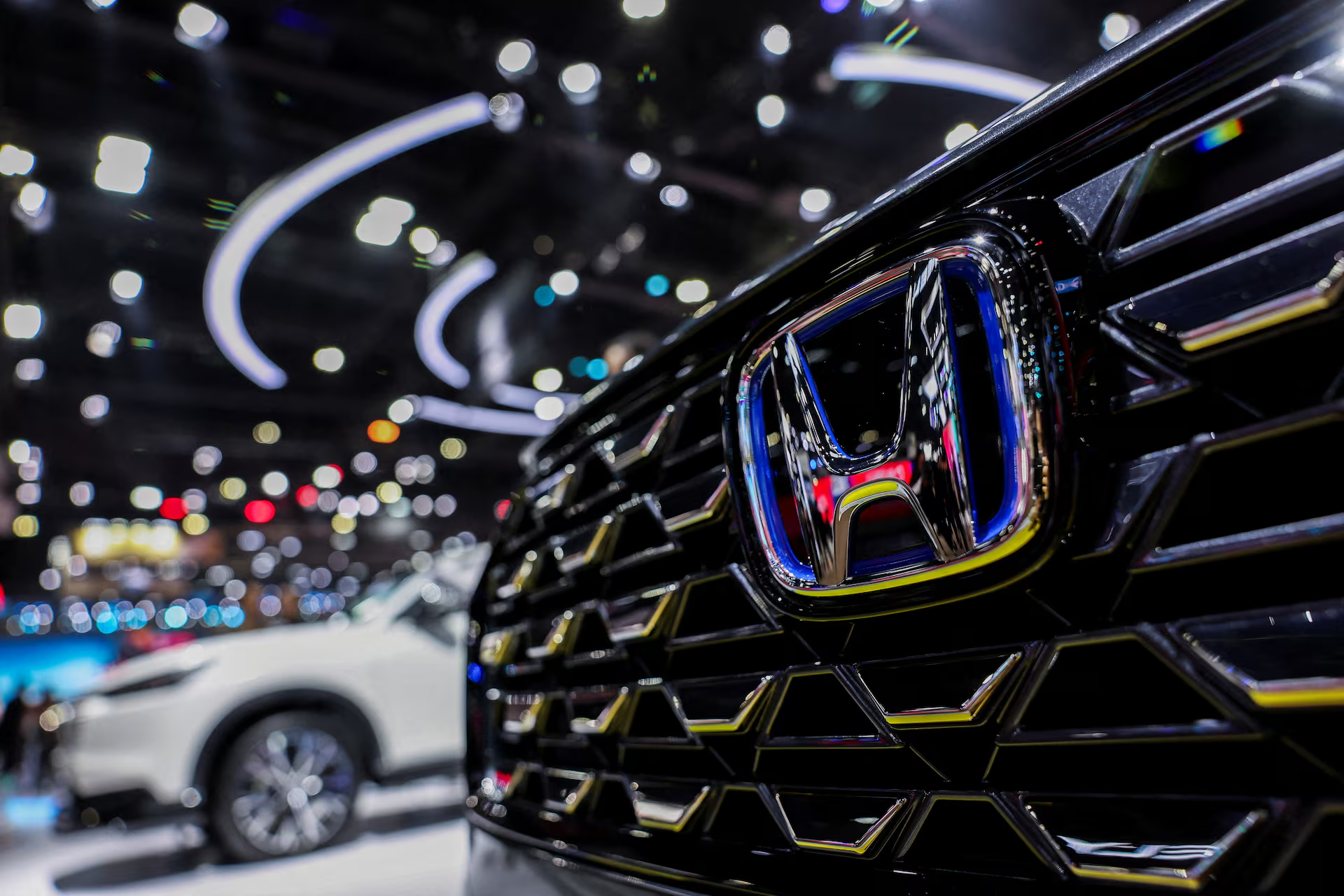

Honda Motor announced on Monday that it will extend the production halt at three of its car plants in China by two weeks due to ongoing semiconductor shortages, reflecting continued supply chain challenges for Japan’s second-largest automaker.
The factories, operated in partnership with Guangzhou Automobile Group, had been scheduled to resume operations on January 5 but will now restart on January 19, a company spokesperson confirmed.
The suspension underscores the lingering impact of global chip shortages that have affected the automotive sector for months. While Honda did not directly link the latest pause to any specific supplier, the disruption follows delays in shipments from Nexperia, a Dutch subsidiary of Chinese firm Wingtech, which has forced several automakers to reduce output in recent months.
The ongoing semiconductor supply constraints highlight the fragility of complex, global automotive supply chains, particularly for highly integrated components like microchips.
Honda has previously faced similar disruptions in North America. From late October through November 2025, the company halted or scaled back production at multiple plants due to chip shortages, demonstrating the persistent vulnerability of automakers to fluctuations in the semiconductor market.
These recurring production pauses can affect vehicle availability, financial performance, and scheduling for both domestic and international markets, emphasizing the critical role that reliable chip supply plays in modern automotive manufacturing.
Industry analysts note that such disruptions also affect partner networks, as Honda relies on global suppliers for critical components. The automaker is working to manage inventory and production schedules to mitigate the impact, but the extension in China highlights the ongoing challenges facing global carmakers as demand for semiconductors continues to outpace supply.
With recovery in chip production still uneven, automakers like Honda must navigate these constraints while maintaining operational continuity and meeting customer demand.
