


Part-I Results Scandal
The Chairman of the Board of Intermediate Education Karachi (BIEK), Ameer Qadri, was dismissed from his position on Friday following a controversy over the Part-I results of the intermediate exams.
This decision came after widespread concerns from students regarding the validity of their results, prompting calls for a thorough re-evaluation of the answer sheets.
In a significant development, the chairmanship of the board has been temporarily transferred to Sharaf Ali Shah, the Chairman of the Board of Secondary Education Karachi (BSEK).
Qadri has also been asked to clarify the circumstances surrounding his “unauthorized trip abroad,” which added to the growing discontent surrounding the issue.
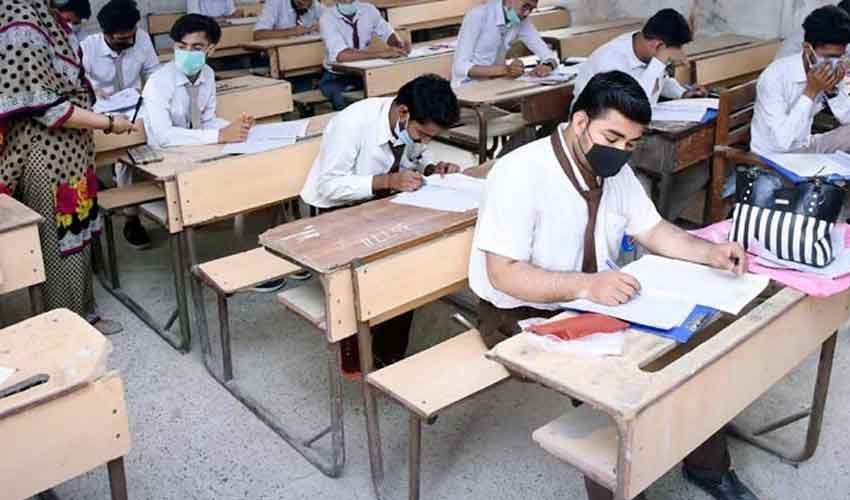
The controversy erupted after a large number of students expressed dissatisfaction with their Part-I exam results. With more than 74,000 students from various groups—such as pre-medical, pre-engineering, general, arts private, commerce private, and home economics—appearing for the exams in December 2024, many felt the results did not reflect their actual performance.
In particular, students from the pre-medical and pre-engineering groups, who make up a significant portion of the candidates, raised objections. According to the results, only a fraction of the students in these groups passed all courses, sparking claims of unfair assessment and leading students to demand a re-checking of their answer sheets.
In an earlier statement, Chairman Qadri defended the integrity of the results, stating that they were based on merit and that the result system had undergone a complete overhaul to ensure fairness.
He assured that the assessment process adhered to legal standards and invited dissatisfied students to submit scrutiny forms for a more detailed review. Despite this, the high failure rate, particularly in the pre-medical and pre-engineering groups, raised concerns about the quality of education and the fairness of the exam process.
Experts have also weighed in on the situation, criticizing the poor academic outcomes and the impact on students’ higher education prospects.
They noted that many students who had hoped for admission to prestigious universities, such as NED University, were unable to meet the minimum marks requirement due to the substandard results.
These results also compounded the challenges faced by students in securing placements at reputable institutions, especially after universities started considering first-year intermediate results for admissions following the pandemic.
Political figures, including PTI leader Rizwan Khanzada, have also joined the debate, calling the results “controversial” and demanding the formation of a judicial commission to investigate the matter.
Khanzada accused political parties such as the Pakistan Peoples Party (PPP) and Muttahida Qaumi Movement-Pakistan (MQM-P) of manipulating the education system for political gain, which he claims has adversely affected Karachi’s youth and their educational futures. He warned that any attempts to undermine the future of students would not be tolerated.
This controversy has brought to light deep concerns about the transparency and quality of the examination process in Karachi, with both political and academic leaders calling for urgent reforms to safeguard students’ futures.
