

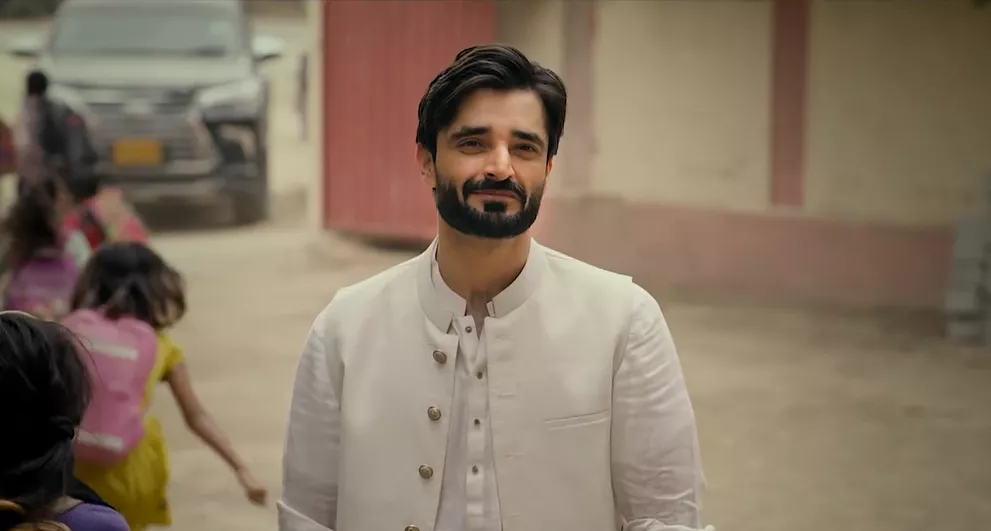

Pakistani actor and social commentator Hamza Ali Abbasi has ignited a fresh wave of debate on social media following recent statements about women’s modesty and Islamic teachings.
In a widely shared Instagram post, Abbasi addressed the traditional Islamic view on women’s public presence and attire. He stated that, ideally, women should avoid leaving their homes without necessity. If they must go out, he added, they should be fully covered in a chadar (shawl) from head to toe. He also noted that while covering the head is encouraged, it is not an absolute religious obligation, nor is wearing a dupatta.
“Aurat ko ghar se awal to nikalna nai chahiye, nikalain to A to Z sar se leke paun tak unko chadar mein nikalna chahiye. Sar ka parda karlain to theek hai warna wo farz nai hai na dupatta farz hai,” Abbasi said.
The remarks sparked mixed reactions online. Supporters praised Abbasi for echoing traditional Islamic values, while critics accused him of promoting outdated gender norms and conflating culture with religion. Religious scholars and social commentators have since joined the conversation, emphasizing the importance of distinguishing between cultural customs and actual religious directives.
Abbasi’s comments tap into a broader, ongoing discussion in Pakistani society about the intersection of faith, personal freedom, and gender roles. The discourse also raises questions about how religious teachings are interpreted and applied in contemporary contexts.
Known for his candid views on religion and society, Abbasi has previously sparked similar conversations. As debate continues, many are calling for more thoughtful and inclusive dialogue around women’s autonomy, religious obligations, and the balance between tradition and modernity.
