


By Aamir Latif
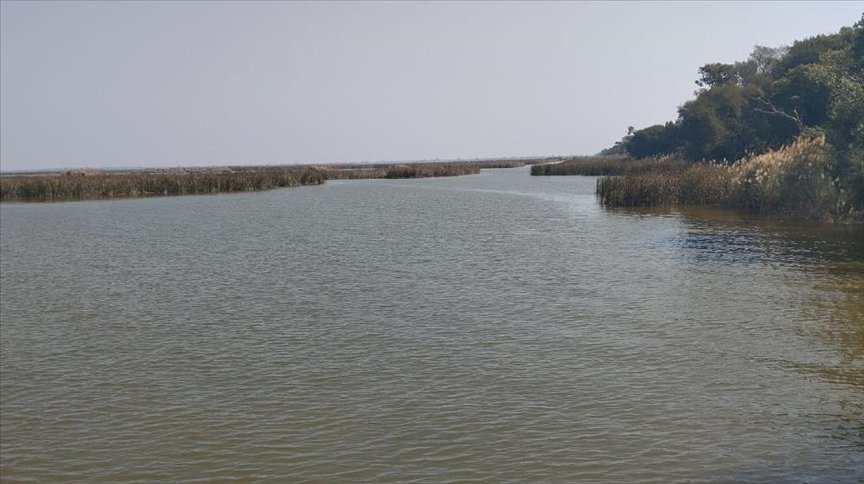
KARACHI: Once surrounded by marshes and brackish lagoons teeming with life, Haleji Lake served as a prime winter refuge for migratory birds arriving from Siberia. Located around 100 kilometres from Karachi, the freshwater reservoir was Pakistan’s first man-made lake, commissioned in 1942 to supply water to British troops during World War II. For decades, its clear waters and rich biodiversity attracted thousands of birds each winter.
Water Inflow Halt Triggers Environmental Crisis
Over the past decade, however, Haleji Lake has suffered a severe ecological decline. Reduced water levels, stagnant conditions, pollution, and climate-related factors have transformed the lake into a turbid pond. According to Sohail Ahmed Khoso of the Sindh Wildlife Department, the inflow of freshwater from the Indus River began declining in 2000 and stopped completely in 2018. As a result, the lake’s ecosystem deteriorated rapidly, affecting both water quality and wildlife.
The lake, which spans 18 square kilometres and holds Ramsar status, once attracted the largest number of migratory birds in the region. Now, experts report a sharp fall in avian visitors. Sindh’s waterfowl counts show migratory bird numbers dropping from 1.2 million in 2023 to 545,000 in 2025. Khoso said Haleji alone recorded a 40 per cent decline this year due to freshwater shortages, food chain disruption, and pollution.
Biodiversity at Risk Despite Conservation Efforts
Although authorities declared Haleji a wildlife sanctuary, conservation challenges persist. The Wildlife Department now provides artificial feeding to support remaining birds, yet experts warn this cannot replace a healthy ecosystem. Ecologist Rafiul Haq stressed that over-extraction of water and reliance on alternative supply systems have damaged natural reservoirs like Haleji. He urged authorities to restore Indus water inflows to revive biodiversity.
Despite the decline, Haleji remains home to Pakistan’s largest crocodile population, estimated at 400 to 500. Ecologists note that crocodiles play a vital role in maintaining ecological balance, underscoring the lake’s continued environmental importance. Courtesy: Anadolu Agency
