

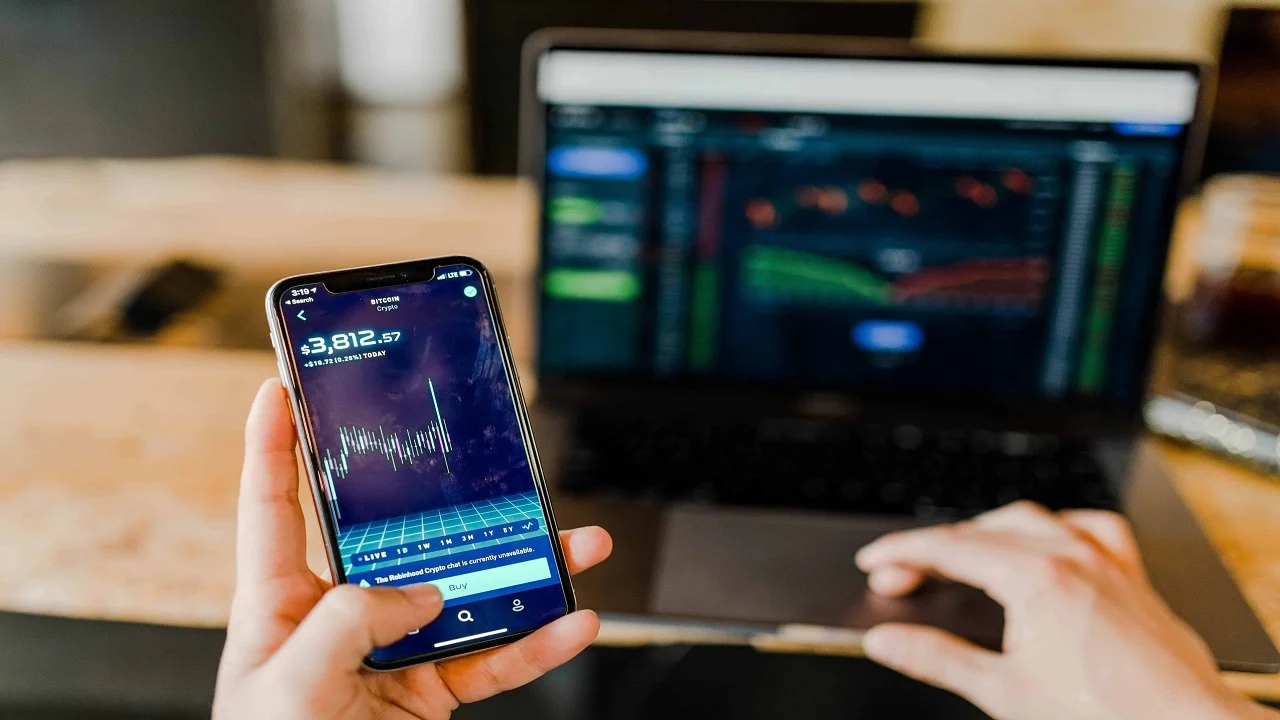

In today’s complex financial world, Muslims often face a critical dilemma: how to grow their wealth while strictly adhering to Islamic ethical standards. Forex trading, the dynamic market of currency exchange, sits at the intersection of lucrative opportunities and religious compliance.
This raises a vital question: Is Halal Forex Trading truly permissible under Islamic law, or does it cross into the haram territory? This guide explores the principles, practices, and ethical considerations of forex trading from an Islamic perspective.
Understanding Halal and Haram in Forex Trading
Within Islamic finance, the terms halal and haram go beyond simple definitions—they are spiritual benchmarks guiding all economic behavior. Halal Forex Trading refers to transactions that comply with Shariah principles, ensuring transparency, fairness, and immediate exchange.
Conversely, haram activities involve interest (riba), excessive speculation, or uncertainty (gharar), which violate Islamic ethics. For Muslims, every trade is more than profit; it is a reflection of integrity and adherence to faith.
Key Principles of Halal Forex Trading
Islamic finance emphasizes several essential guidelines to ensure that forex trading remains halal:
-
Immediate Exchange (Spot Trading)
Halal forex relies on spot trading, where currency exchanges occur instantly. This eliminates the risks of deferred settlements and speculative uncertainty, making every transaction straightforward and transparent. -
Prohibition of Riba (Interest)
Any form of interest is strictly forbidden in Islam. Halal forex accounts, often called swap-free accounts, remove overnight charges and interest-based transactions, allowing traders to operate ethically while engaging in currency exchange. -
Transparency and Equity
All parties must clearly understand the terms of the transaction. Halal forex trading prioritizes fairness, ensuring risks and rewards are shared and that no hidden clauses compromise ethical integrity. -
Minimal Speculation
Trades must reflect real economic activity rather than mere gambling. Excessive speculation turns transactions haram by removing their connection to genuine financial purpose. -
Ethical Investment
Every forex trade should contribute meaningfully to the economy. Halal forex promotes investments that generate real value rather than artificial profits. -
Controlled Leverage
Islamic financial principles discourage excessive borrowing or margin trading. Limiting leverage ensures traders avoid unnecessary financial risk, maintaining a sustainable and responsible approach.
When Forex Trading Becomes Haram
Forex trading crosses into haram territory when it involves:
-
Interest (Riba): Any earning or payment of interest violates Shariah law.
-
Excessive Speculation: Trading purely for price fluctuations without economic purpose is considered gambling.
-
Uncertainty (Gharar): Ambiguous contracts or hidden clauses create unacceptable risk.
-
High Leverage or Borrowing: Margin trading distorts the true economic value of a transaction.
Understanding these boundaries helps Muslim investors navigate forex markets responsibly while upholding their religious values.
Islamic Forex Trading Accounts
To accommodate ethical requirements, many brokers now offer swap-free Islamic forex accounts. These accounts eliminate interest charges and offer alternative fee structures, enabling Muslim traders to participate in global currency markets while remaining fully compliant with Shariah principles. Beyond technical solutions, these accounts signify a broader commitment to financial inclusion without compromising faith.
