

The United States military is reportedly evaluating plans for extended ground operations in Iran as regional tensions continue escalating. Discussions within defense circles suggest preparations for missions that could last several weeks if approved.
Military planners are assessing multiple operational scenarios. These options reportedly include targeted raids conducted by Special Operations forces alongside conventional infantry units. However, no final decision has been publicly confirmed regarding implementation.
Officials indicate that authorization for any ground deployment would ultimately depend on presidential approval. Therefore, the plans remain under review rather than active execution.
Conflict Enters a Prolonged Phase
The ongoing conflict involving Iran has now entered its fifth week. As the situation continues, military strategies appear to be shifting toward broader contingency planning. Analysts believe extended timelines often require flexible operational frameworks.
Consequently, defense authorities are preparing for various outcomes. Such preparation allows rapid response if conditions on the ground change unexpectedly. At the same time, policymakers continue evaluating diplomatic and military considerations simultaneously.
While discussions continue, uncertainty remains about whether ground forces will actually be deployed. Military planning frequently includes precautionary options that may never materialize.
Deployment of Additional US Forces
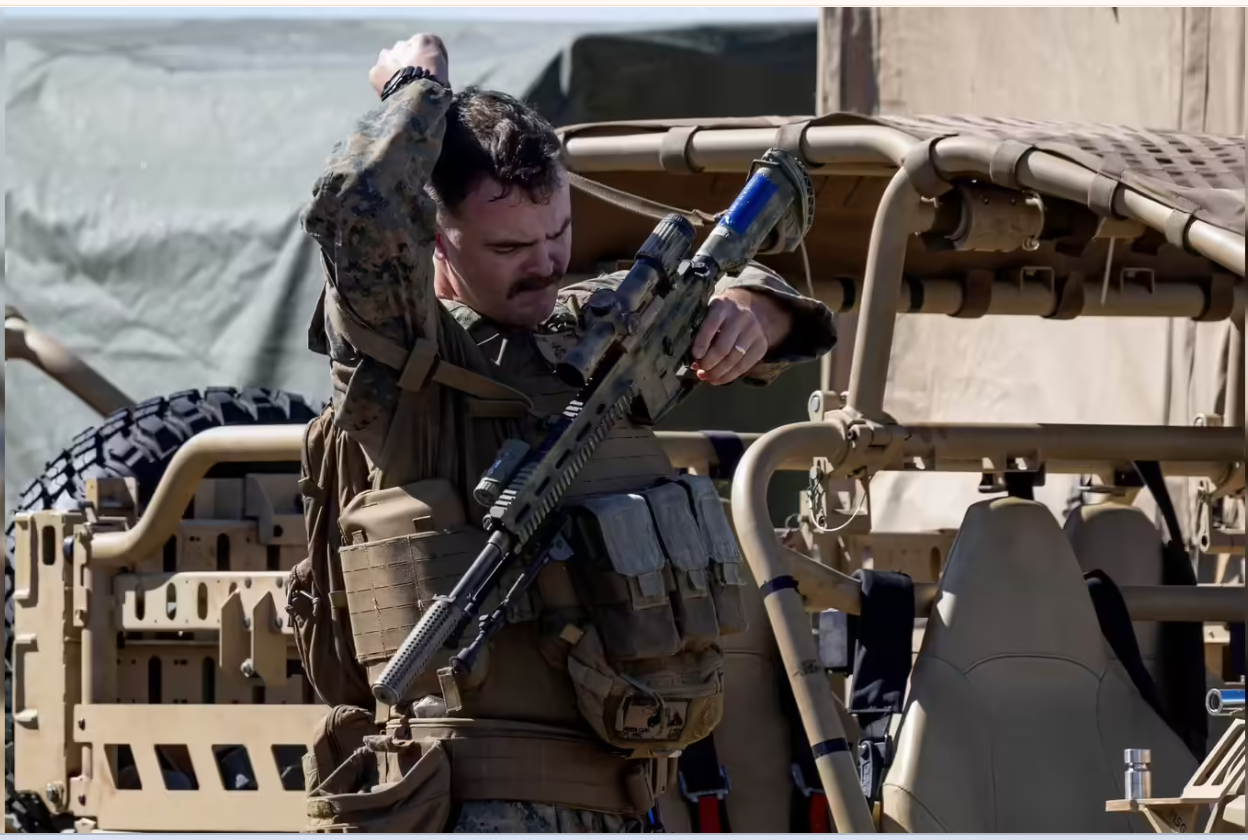
Alongside strategic planning, the United States has increased troop presence across the Middle East region. US Marines have already been deployed as part of broader security measures linked to the evolving conflict.
Additionally, preparations have reportedly been made to deploy thousands of soldiers from the US Army’s 82nd Airborne Division. The unit specializes in rapid deployment and crisis response missions. Therefore, its potential deployment signals heightened readiness rather than confirmed combat engagement.
Military reinforcements often serve multiple purposes. They strengthen deterrence, protect regional assets, and reassure allied partners during periods of instability.
What Ground Operations Could Involve
If approved, proposed operations could focus on limited objectives rather than large-scale invasion tactics. Special Operations forces typically conduct precision missions designed to achieve specific strategic goals.
These missions may include targeted raids or rapid-response actions. Conventional infantry units could support logistical security or stabilization tasks depending on operational requirements.
However, officials have not confirmed detailed objectives. As a result, speculation continues about the scale and duration of any potential deployment.
Strategic Calculations Behind Military Planning
Military planning often occurs alongside diplomatic efforts. Governments prepare contingency options to ensure readiness while negotiations continue. Therefore, planning activity does not necessarily indicate imminent action.
Defense analysts note that extended conflicts require adaptable strategies. Preparing multiple operational pathways allows decision-makers to respond quickly under changing circumstances.
Moreover, troop positioning can influence negotiations by demonstrating capability without immediate escalation.
Regional and Global Implications
Any expansion of ground operations could significantly affect regional stability. The Middle East remains strategically sensitive due to energy routes and geopolitical alliances. Consequently, developments in military planning attract global attention.
Markets, governments, and security experts closely monitor troop movements and policy signals. Even preliminary planning can shape expectations about future conflict trajectories.
At present, uncertainty defines the situation. While military preparations continue, diplomatic engagement and political decisions will ultimately determine the next phase.
Uncertain Path Forward
For now, the reported plans remain part of ongoing strategic evaluations. Approval for ground operations has not been announced, and policymakers continue weighing risks and consequences.
The coming weeks may prove decisive as military readiness and diplomatic efforts unfold simultaneously. Whether planning transitions into action depends on political authorization and evolving battlefield realities.
Until then, preparations highlight the seriousness of the conflict while leaving open the possibility of alternative outcomes.

