

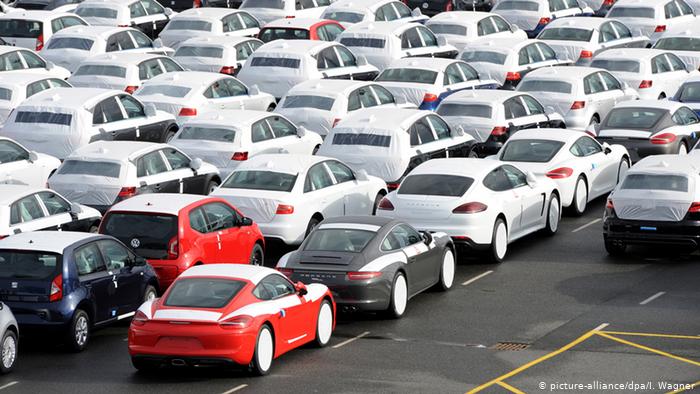

ISLAMABAD: Soon after lifting ban on the import of luxury items, the government has enhanced the rates of customs and regulatory duty on the import of cars, smartphones, home appliances, dry fruits and some other non-essential items.
The government has enhanced customs duties ranging from 10 to 100% on the import of several premium goods.
The import of cars will now be charged with 10 to 100% regulatory duty and 7 to 28% additional customs duty.
The importers will now have to pay 100% additional duty on all new and old vehicles up to 1000cc category. For over 1000cc category, will now be charged 170% duty on import.
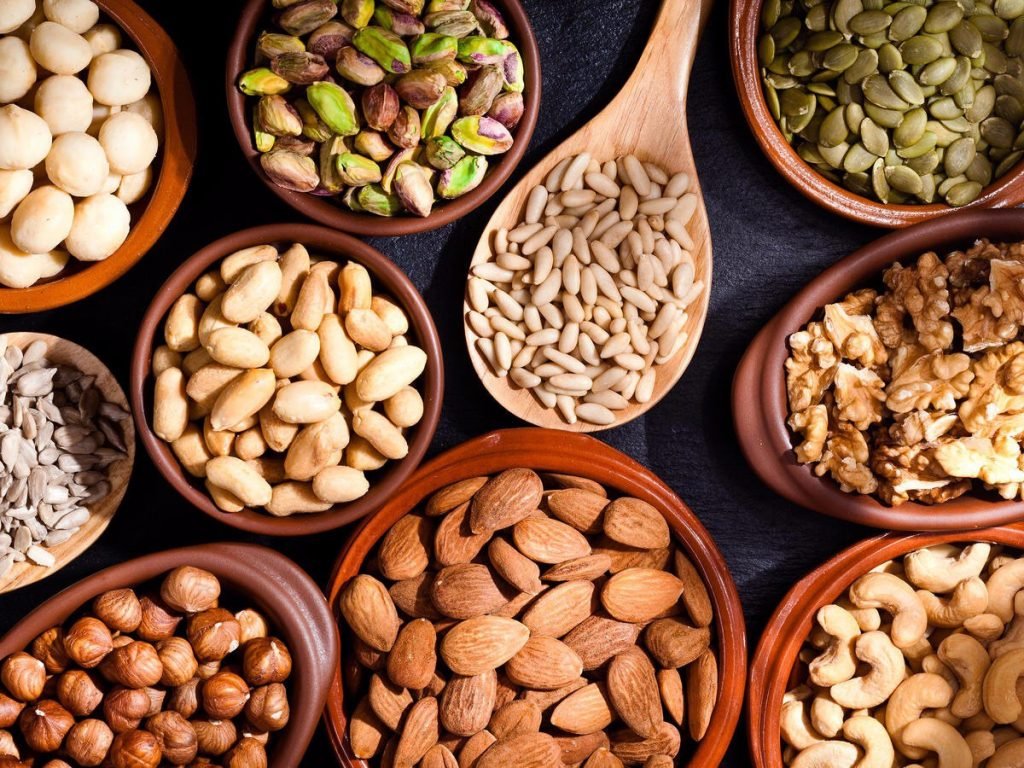
According to the Ministry of Commerce, additional regulatory duty has been approved on imported musical instruments, furniture, clothes, shoes, meat, fish, fruits, and vegetables.
The federal government cabinet has imposed these new duties through a circular issued on Tuesday and these tax changes will be applicable for the next six months.
However, additional taxes on electric vehicles have been implemented for only three months. The officials stated that the duties were imposed on a total of 792 tariff lines.
Meanwhile, the goods that have arrived at the ports between August 1 and 18 will be released at 100% penalty as the import of these items was banned.
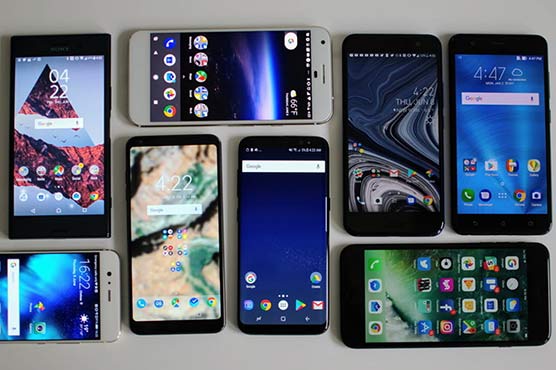
The circular comes days after the federal government reversed the ban on the imports of luxury items.
The government has issued a statutory regulatory order to reverse the import of goods deemed as luxury and a burden on the limited foreign exchange reserves of the country.
Earlier, Federal Finance Minister Miftah Ismail announced the government’s three-month-old decision to stop all “luxury” imports.
“To meet with our international obligations, the government has issued an SRO to reverse the ban on imports of luxury items,” he said, referring to agreements and accords with the International Monetary Fund (IMF) – the main financier of a bailout loan the country is seeking to avoid default, and the World Trade Organization (WTO) – which regulates and enforces global import and export agreements.
“Goods stuck at the ports will gradually be released,” the finance minister said. However, he added that these items will be released with a penalty and surcharge of up to “100% of assessed value”
