


Customs Duty
The federal government has proposed a broad-based hike in customs duties on a wide range of imported items, aiming to generate additional revenue and reduce the import bill.
As per the official budget documents for the fiscal year 2025, a standard 2% increase has been recommended across various categories, which could significantly impact the cost of numerous essential and commercial goods.
The general customs duty rate has been raised from 3% to 5% on multiple products, with some goods witnessing an even sharper jump. Among the items facing higher tariffs are LED light circuits and other energy-efficient lighting equipment, such as base caps for bulbs and tube lights.
These products, widely used in households and industries for energy conservation, will now become more expensive due to the revised import duties.
One of the most notable changes is the proposed increase in customs duty on natural gas, moving from a previously exempt status (0%) to 5%. This could affect not only households but also industries dependent on gas for manufacturing and processing. Similarly, customs duty on mineral oils and water gas has also been increased from 3% to 5%, adding to energy costs across the board.
The budget also targets the construction and housing sector, with passenger lifts, locks, and latches now facing a 5% duty, up from the previous 3%. Import duties on PCM-coated metal sheets, re-rolled steel, and metal sheets have also been raised by 2%, potentially increasing construction and renovation costs.
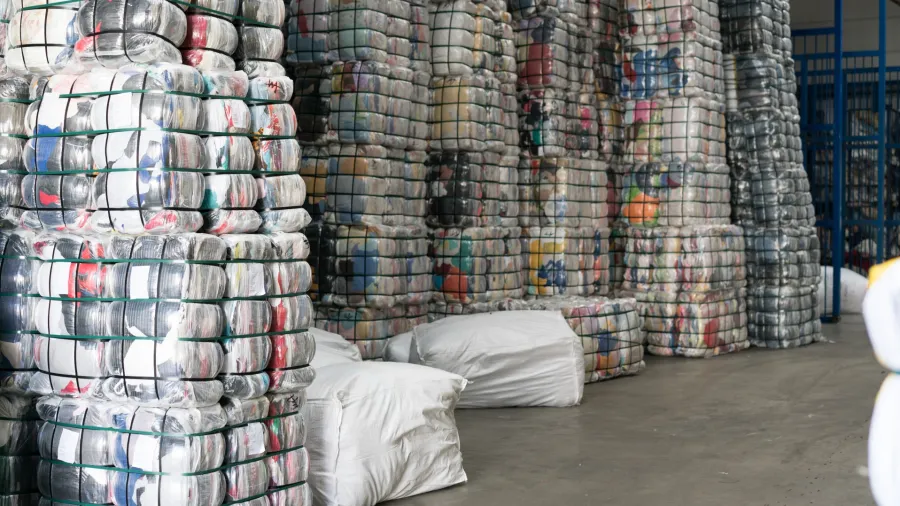
Used imported clothing, shoes, and bags — items that form a significant portion of low-cost consumer goods — will now carry higher duties, likely leading to price hikes in thrift and second-hand markets. The customs duty on single and multi-folded yarns has also been increased, which could raise costs in the local textile industry.
Additionally, raw materials critical to the manufacturing of buses and trucks will face increased tariffs, possibly leading to higher vehicle prices and transport fares. Chemicals used in the food, pharmaceutical, cosmetic, and polish industries — including unbleached chemicals and colorants — have also been subjected to higher duties.
The government has also imposed a 5% customs duty on trade advertising materials and commercial catalogs, which may impact the marketing and promotional sectors. Furthermore, items such as electrical energy and wood-preserving oils will now carry an extra 2% customs duty, reflecting a broader strategy to discourage reliance on imports and boost local production.
Overall, these duty hikes reflect the government’s fiscal strategy to curb imports, address the trade deficit, and strengthen domestic industries. However, they are also expected to trigger inflationary pressures, with consumers likely to bear the brunt of the increased import costs in the coming months.
