


Circular Debt Fight
ISLAMABAD: The caretaker government, still grappling with nationwide protests over soaring summer electricity bills, announced on Friday that it deemed it necessary to raise gas rates “across the board” before winter as a means of tackling the ballooning gas-sector circular debt, which was increasing at a staggering rate of Rs350 billion per year.
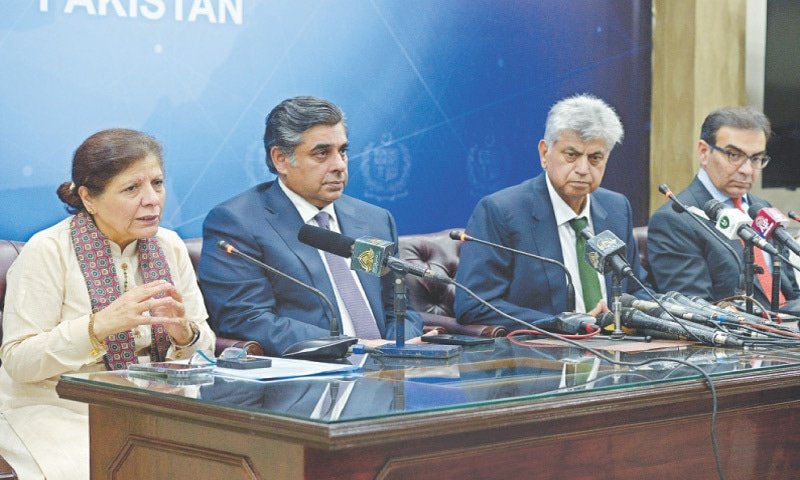
During a news conference, key ministers of the interim government underscored their commitment to long-term policy decisions and pledged to uphold all international agreements while preventing their misuse against national interests.
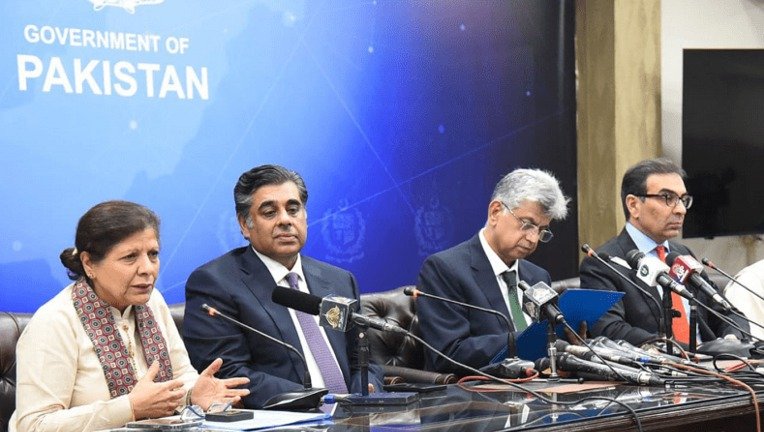
The ministers revealed plans to directly link industries to power stations through wheeling charges, potentially exacerbating the already low recoveries and circular debt fight of power distribution companies (Discos).
This significant development emerged from the marathon six-hour first session of the civil-military Special Investment Facilitation Council (SIFC), chaired by Caretaker Prime Minister Anwaarul Haq Kakar and attended by the army chief.
Finance Minister Dr. Shamshad Akhtar expressed optimism about the economy’s ability to manage foreign exchange requirements for potential imports, citing expected inflows of around $6 billion from multilateral agencies and rollovers of deposits from friendly countries.
Information Minister Murtaza Solangi highlighted the SIFC’s focus on three key sectors for potential investments: information technology, mining, and agriculture.
The meeting also discussed measures to control government spending, address circular debt, implement previous government decisions on privatization, reform the Federal Board of Revenue, remove barriers to foreign direct investment, and improve the performance of loss-making state-owned entities.
Gas Prices
The caretaker minister for power and petroleum, Muhammad Ali, revealed that during the meeting, a decision was made to introduce incremental tariffs for industries, encouraging increased electricity consumption during winters to mitigate potential losses stemming from reduced demand and underutilization.
Additionally, the meeting focused on enhancing theft control measures and restructuring governance within the power distribution companies (Discos), with a view towards both privatization and provincialization, ultimately leading to reduced consumer prices.
Ali highlighted plans to directly supply industries with power from generation plants through the application of wheeling charges.
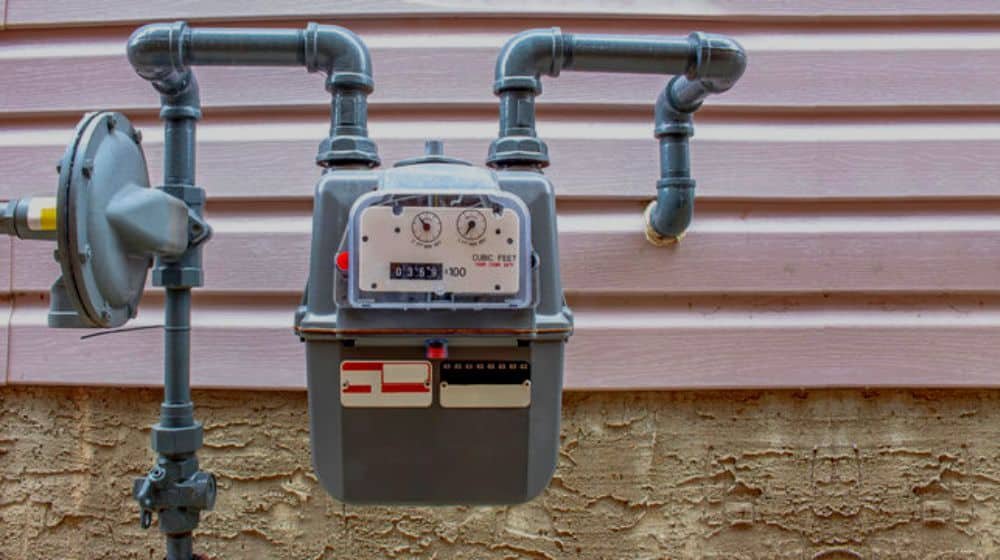
Regarding the gas sector, Ali emphasized the urgent need for gas price rationalization due to the sector’s alarming financial situation, which had incurred a staggering annual loss of Rs350 billion.
The circular debt in the gas sector, including interests, had surged to Rs2.7 trillion over the last four years, necessitating across-the-board gas price revisions to address a $3.5 billion loss caused by a decline in domestic oil and gas exploration.
A Direly Needed Revival
Dr. Shamshad Akhtar asserted that Pakistan direly needed to revive the economy, emphasizing the necessity of removing import restrictions across the board since Pakistan was an import-intensive country.
When asked if she agreed with the timing of opening up imports, as suggested by her cabinet colleague Commerce Minister Gohar Ijaz, and considering the tight foreign exchange situation, Dr. Akhtar responded, “Managing foreign exchange reserves is a very high priority for us, and we are closely monitoring the situation.”
She further stated that the government was in contact with lenders to ensure timely inflows and added, “We will also pursue the rollover of deposits that we currently have in place upon their maturity.”
Commerce Minister Gohar Ejaz highlighted that Friday’s SIFC meeting also concentrated on strategies aimed at bolstering the viability of industries, with supply chain shortages identified as a significant driver of inflation.
He emphasized that the government’s efforts, driven by foreign exchange constraints, had led to a shortage of raw materials, which, in turn, had a negative impact on exports.
Ejaz stated that effectively managing inflation could only be achieved by boosting exports. He suggested that by reviving the export industry, the escalating dollar price of Rs300 could potentially decrease to Rs250, thus simultaneously mitigating inflation.
