

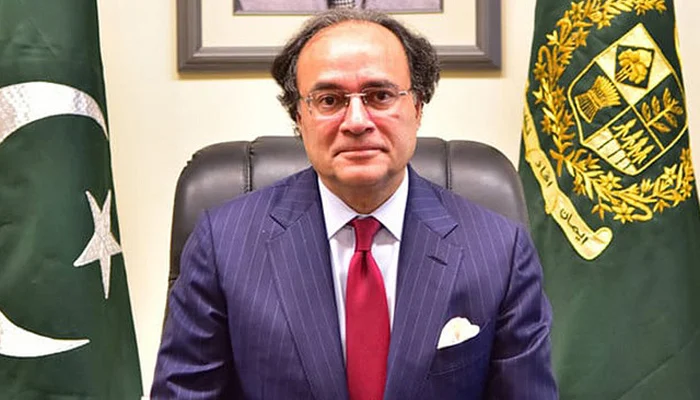

Finance Minister Muhammad Aurangzeb has reaffirmed the government’s resolve to empower the private sector as the primary driver of economic growth. Speaking at a summit on blockchain and digital assets in Islamabad, he highlighted that Pakistan must embrace transformative technologies while building an economy centered on innovation, efficiency, and youth participation.
Aurangzeb emphasised that economic revival cannot rely solely on government intervention. Instead, the private sector should lead the growth process while the state provides enabling policies and supportive frameworks.
Digitalisation as a Key Priority
A central pillar of the government’s strategy is the digitalisation of the tax system. The finance minister described digital transformation as essential for ensuring transparency, widening the tax net, and improving revenue collection. According to him, technology will allow processes to become “better, faster, and cheaper,” reducing inefficiencies across institutions.
He cited the example of banking, where individuals must repeatedly provide extensive documentation for opening accounts in different banks. By moving towards digital verification and centralised documentation, the government aims to simplify compliance while enhancing financial inclusion.
Blockchain and Digital Assets Adoption
Aurangzeb underlined the importance of blockchain and digital assets in shaping Pakistan’s future economy. He noted that nearly 20 to 25 million citizens, particularly young people, are already engaged in activities related to digital assets. With participation rates between 10 to 15 percent, the government cannot afford to ignore this growing trend.
Calling it an “opportune time to move forward,” he reiterated that developments in blockchain and digital finance must remain within a strong regulatory framework. Pakistan has already taken steps in this direction with the formation of the Pakistan Virtual Assets Regulatory Authority (Pvara), which is tasked with overseeing digital assets and cryptocurrency-related activities.
The first meeting of Pvara is scheduled soon, where policy directions will be discussed. The minister stressed that all policies must adopt a “Pakistan-first” approach to safeguard national interests.
Encouraging Remittances and Investment
Aurangzeb revealed that several international firms are in discussions with the government to streamline remittance flows. Digital channels and blockchain solutions are expected to play a critical role in improving speed, transparency, and efficiency in cross-border transfers.
The finance minister added that remittance facilitation aligns with the government’s broader push for financial inclusion and economic modernisation.
Industrial Policy and Social Impact Initiatives
Beyond digitalisation, the government is finalising a comprehensive industrial policy aimed at creating a business-friendly environment. The objective is to accelerate industrialisation, encourage investment, and provide sustainable opportunities for entrepreneurs and enterprises.
Additionally, the government is working on three flagship social initiatives:
-
Energy-efficient fans scheme to reduce household energy costs.
-
Skills development bond to strengthen the workforce.
-
Small farmer credit scheme to provide financial access for rural communities.
These initiatives demonstrate the government’s intent to balance innovation with social responsibility, ensuring economic growth benefits all segments of society.
Youth at the Center of Transformation
Aurangzeb acknowledged the role of youth as the backbone of Pakistan’s transition into a digital economy. With millions already engaged in blockchain and crypto-related ventures, he stressed that the younger generation must be provided with opportunities under a structured regulatory and financial framework.
He further emphasised that ignoring this shift would be a major setback, especially as Pakistan seeks to stabilise its economy and avoid repeating past financial crises.
The government’s economic agenda combines private sector empowerment, digitalisation, blockchain adoption, and inclusive policies. Finance Minister Aurangzeb made it clear that the path forward lies in fostering innovation, accelerating industrialisation, and ensuring transparency across institutions. By aligning technological transformation with regulatory safeguards, Pakistan aims to unlock sustainable growth and position itself as a competitive player in the global economy.
