

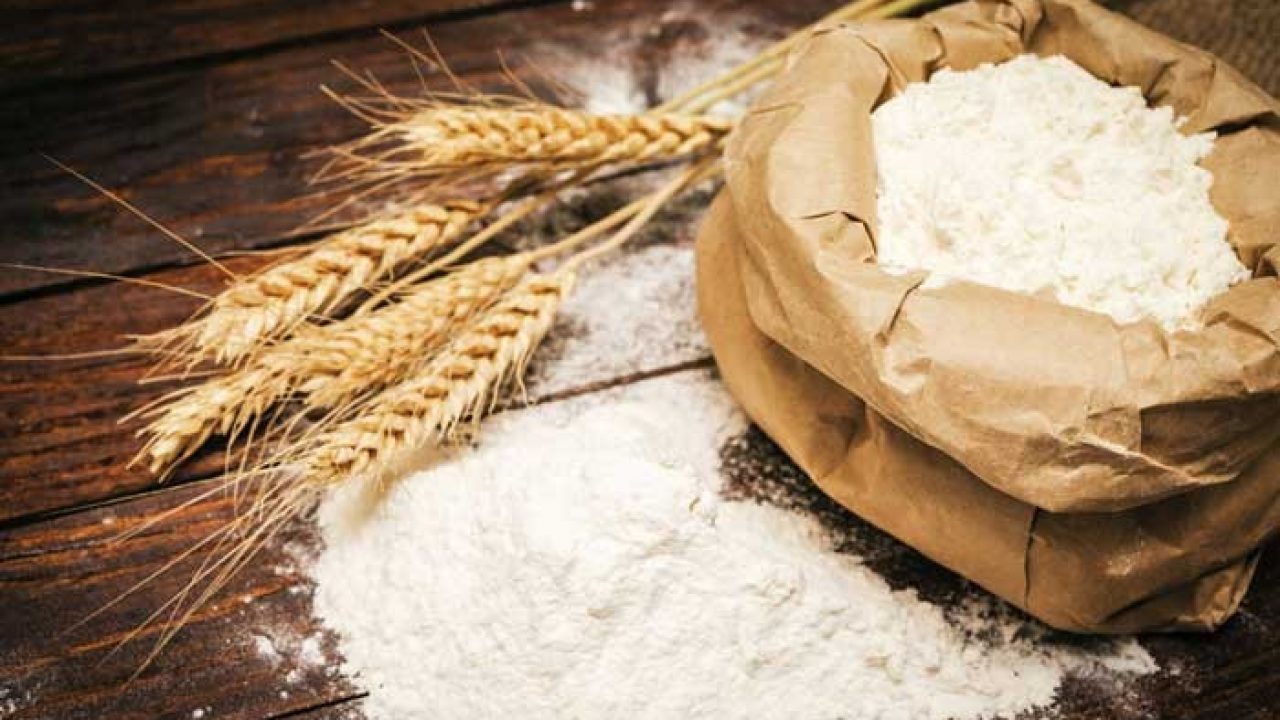

Wheat Offloading to Ease Food Prices
Pakistan’s Economic Coordination Committee (ECC) on Wednesday approved the offloading of 500,000 metric tons of government-held wheat. The move aims to ease pressure on domestic wheat prices and reduce fiscal costs.
Finance Minister Senator Muhammad Aurangzeb, heading the committee, authorized PASSCO to take action. The Pakistan Agricultural Storage and Services Corporation (PASSCO) has been authorized to sell surplus wheat through competitive bidding, officials stated. Officials noted that the initiative will reduce storage expenses and assist in keeping local market prices steady.
In addition, the ECC directed PASSCO to release 300,000 metric tons of wheat to Punjab’s Food and Consumer Protection Department. This step will, therefore, ensure uninterrupted supplies to flour mills and prevent wheat flour shortages in the province.
Sector Funding and Supplementary Grants
Furthermore, the committee approved more than Rs66 billion in Technical Supplementary Grants (TSGs) to address priority needs across various sectors. Specifically, it allocated Rs10.98 billion to settle outstanding dues of utility companies that the Pakistan Post Office Department owed. These long-pending liabilities have, over the years, strained public finances.
In the health sector, the ECC allocated Rs29.66 billion to the Federal Directorate of Immunization. This funding will allow the directorate to procure vaccines and syringes under the Expanded Programme on Immunization. Moreover, officials emphasized that these grants will help maintain routine immunization coverage and prevent outbreaks of vaccine-preventable diseases.
In addition, the committee approved a 50:50 subsidy-sharing plan for imported urea between the federal and provincial governments. It sanctioned Rs23.42 billion for this purpose, releasing Rs15 billion immediately. Authorities plan to release the remaining funds gradually based on available fiscal space.
Development Projects and Renewable Energy Initiatives
The ECC also approved additional funding, including Rs1.9 billion for development schemes in Khyber Pakhtunkhwa under the Sustainable Development Goals Achievement Programme. Similarly, it allocated Rs150 million to meet operational and development needs at Cadet College Hasan Abdal.
The committee also approved transferring confiscated solar panels to the Government of Gilgit-Baltistan. Officials said that, together with a planned transport and distribution strategy, the panels will help address electricity shortages in the region and promote the use of renewable energy in public facilities.
Overall, authorities said these measures balance fiscal consolidation with the need to stabilize key markets, support health and education services, and manage state-owned entities’ finances. Analysts said that collectively, these measures could help curb inflation, secure food supplies, and sustain essential public services.
