

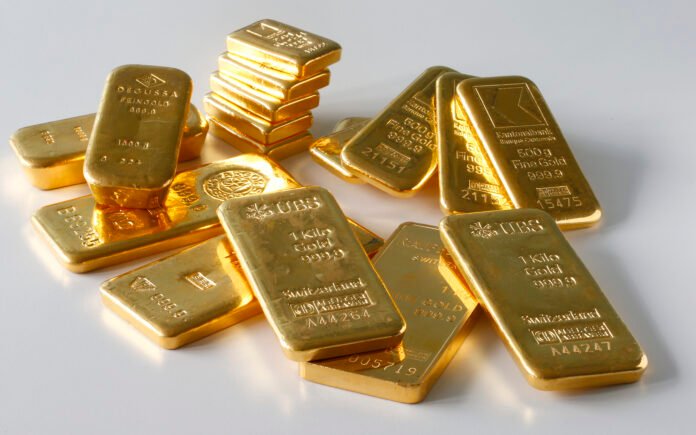

Gold’s powerful rally paused after last week’s dramatic correction, yet analysts say the longer-term trajectory still points higher. Prices briefly surged close to $5,600 per ounce before tumbling almost 9% in a single session to settle near $4,900. Meanwhile, silver experienced even sharper volatility, plunging more than 25% from highs near $120 to the mid-$80s.
Dollar rebound triggers heavy profit-taking
The sudden sell-off followed a strong rebound in the US dollar, driven by renewed confidence in the upcoming leadership of US monetary policy. Markets reacted positively to the nomination of Kevin Warsh as the next Federal Reserve chair, which prompted aggressive profit-taking in precious metals that had become technically overextended. As a result, the speed of the decline reflected both fresh catalysts and the rapid price acceleration seen in recent weeks.
In its latest global market strategy report, JPMorgan maintained a bullish stance on gold. The bank stressed that structural drivers remain intact, including sustained central-bank buying, continued investor diversification away from paper assets, and resilient demand for real-asset hedges. Although gold now trades at historically elevated levels, JPMorgan said the rally does not yet risk collapsing under its own weight.
Silver outlook is more volatile but supported
Silver, however, presents a more cautious near-term picture. Unlike gold, it lacks consistent central-bank support, which makes it more vulnerable to sharp swings. Even so, analysts see silver establishing a higher average floor around $75–$80 per ounce.
Looking ahead, forecasts point to average quarterly central-bank and investor gold demand exceeding 700 tonnes, with central-bank purchases alone nearing 800 tonnes in 2026. Despite short-term turbulence, gold continues to benefit from enduring diversification trends and strong long-term demand.
